
• Home
  • About
  • Contact

Jazz With an Accent

~ Global music in the 21st century

Jazz With an Accent

Monthly Archives: April 2025

Cortadito and the Sound of Son: from Cuba and Miami to the World

25 Friday Apr 2025

Posted by Fernando González in Home

≈ Leave a comment

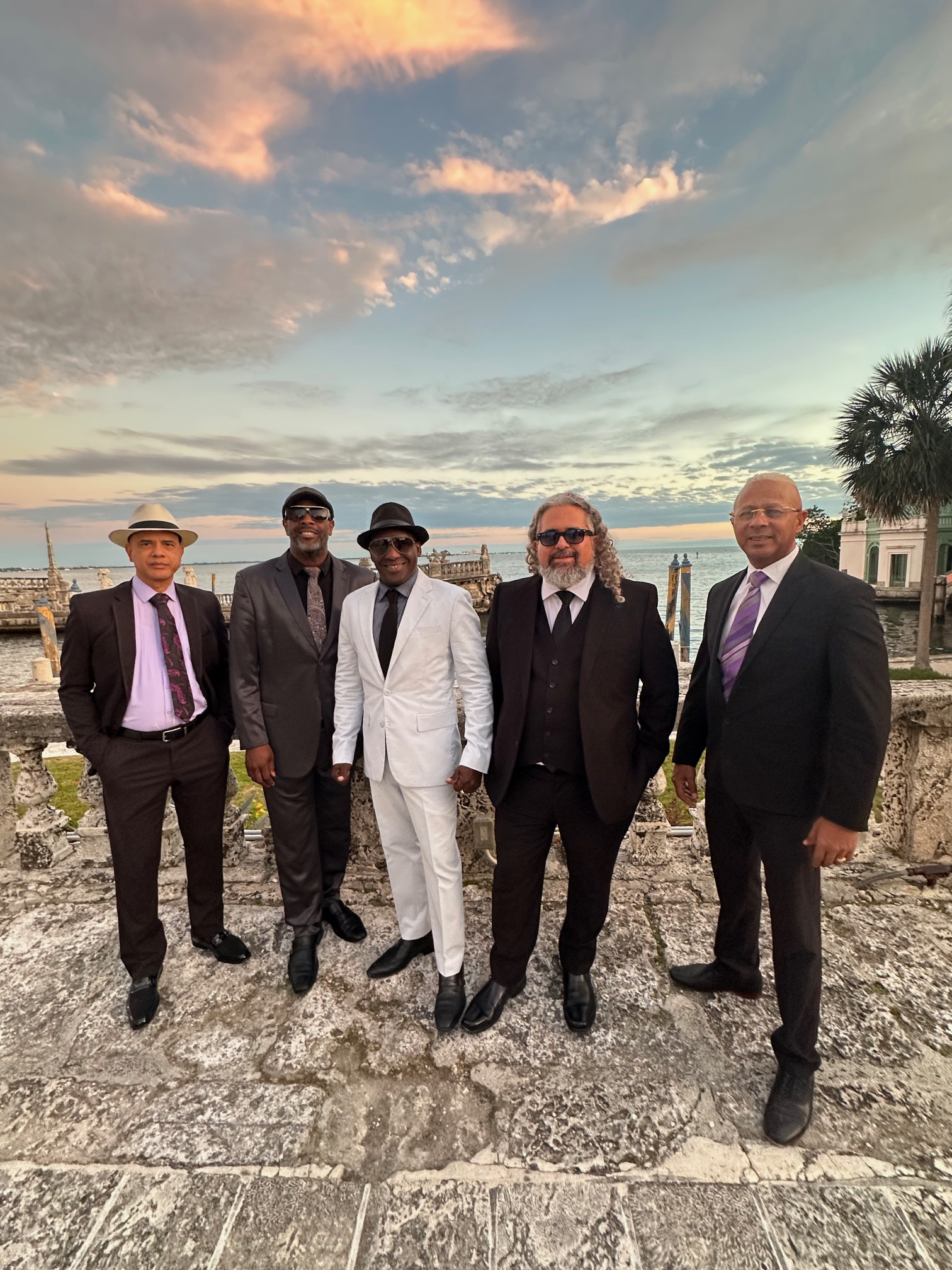
Cortadito, from left to right: Santiago McCook, Tony Perigo, Julio César Rodríguez Delet, José Elías, and Alberto Pantaleón. Photo courtesy of the band.

Since its founding 13 years ago (a lifetime in popular music), Cortadito, Miami’s leading Cuban son group, has survived everything from losing members and the ups and downs of the music business to a pandemic. Talent and persistence will be rewarded on Sunday, May 4, at the Miami Beach Bandshell, when Cortadito celebrates the release of “The Guajiro Triangle” (El Triángulo Guajiro), their first full-length album.

Spanish Version

Under the banner “Son Del Mundo,” the concert will feature the Cortadito quintet augmented by additional musicians and guest appearances by Cuban singer Albita, Cuban pianist Michelle Fragoso, Puerto Rican flutist Nestor Torres, Cuban master percussionist Lázaro Galarraga (founding member of Cuba’s Conjunto Folklorico Nacional), Afro-Colombian music ensemble Grupo Barrio Abajo, and popular Brazilian community percussion group Miami Bloco.

The choice of these artists and groups not only focuses on the Cuban roots of the son, a genre born in the late 19th century in eastern Cuba, fusing African and Spanish musical elements, but also its profound influence on world culture.

“Son has been relevant for almost 200 years,” says José Elías, tres player, leader and co-founder of Cortadito. “In Cuban music, the son gave rise to genres such as chachachá, mambo, and timba. But it also had a global impact with salsa, a kind of gumbo of different cultures created by Puerto Ricans, Panamanians, Dominicans, and Cubans who met in New York. But son also reached places like Colombia and Africa. Throughout Africa, it became a fundamental influence in Congolese Rumba, in the so-called golden age of African music [in the 1960s and 1970s], and the work of artists like Tabu Ley Rochereau, Franco and Dr. Nico, but also in Mali and Senegal and groups like Bembeya Jazz, from Guinea, or the Orchestra Baobab from Senegal”.

Cortadito has collaborated with many different artists for years, says Elías, including artists like Eliades Ochoa (of Buena Vista Social Club fame), who, in his own music, pursued the connections between Cuban and African music in collaborations with Cameroonian saxophonist Manu Dibango (CubAfrica,1998) and Malian musicians (AfroCubism, 2010). Moreover, Elías notes that since 2019 and thanks to the efforts of the late Cuban pianist, composer, arranger, and bandleader Adalberto Alvarez, May 8, the birth date of composer Miguel Matamoros and singer Miguelito Cuní, has been celebrated as Cuban Son Day. “So I decided that this celebration of the release of “The Guajiro Triangle” could be an international celebration of Son Day,” says Elías.

Born in the Dominican Republic to Cuban parents, Elías says he grew up “from a very young age” in Miami. Although immersed in Cuban culture, “when I started playing music, I started playing for Eddie Van Halen, heavy metal, and things like that. It was later that I discovered jazz and so-called World Music – African music and Afropop – and it was World Music that eventually led me to Cuban music.”

Elías says, “I already knew Miguel Matamoros, Félix Chappottín, and Arsenio Rodríguez,” but listening to Buena Vista Social Club, an album recorded in Havana in 1997 by Ry Cooder and Nick Gold that revisited classic Cuban music genres with the critical participation of veteran Cuban creators, some of them already retired and almost forgotten, was decisive in his musical evolution. “The authenticity of the sound and the production quality of the Buena Vista Cultural Club was inspiring.” In 1998, Elías began to explore the tres. Since then, the instrument has become central to his music.

José Elías, Cortadito’s co-founder and tres player. Photo by Edwin Cardona, courtesy of Cortadito.

In 2011, after spending 12 years with the group Conjunto Progreso, Elías founded Cortadito with Julio Cesar Rodríguez Delet, a guitarist and singer from Santiago de Cuba. The group started as a duo and released two EPs. Abriendo Caminos in 2012 and Canciones de Julio in 2018, featuring four and five songs, respectively. In search of opportunities, Rodriguez Delet moved to Houston in 2013 and was replaced by singer Humberto Upierre. The group was filled out by a rotating cast of musicians. Rodriguez Delet returned to Miami and rejoined the group in 2018. “Then we fast-forwarded to March 2020, and when we were lifting, COVID came,” says Elias.

“El Triángulo Guajiro” is the first full CD of the group, which was recorded as a septet augmented with guests.
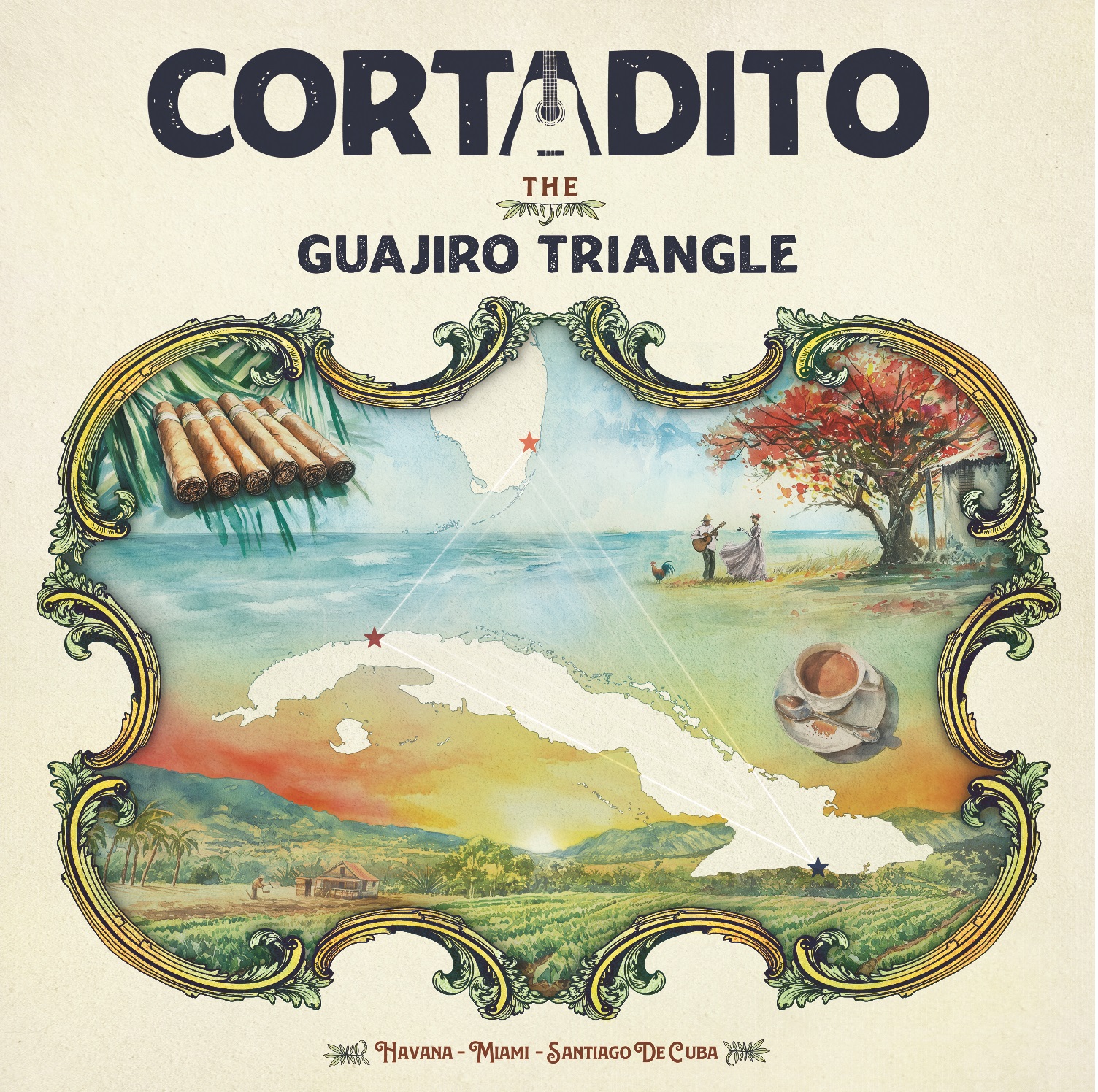
The album plays like a sampler of classic and modern son, says Elías. “Julio is from Santiago, Humberto is from Havana, and we all live in Miami. Julio writes in a very traditional style, the son de Santiago style, which is stripped-down, minimalist, but very Creole. Humberto is more of a Havana son, a more refined style. He uses more jazz voicings in his chords, which gives it a more modern sound – but it’s still son.”

The third composer featured on the album is Alberto Pantaleón Hernández, the late father of the group’s bassist Alberto Pantaleón. His two tracks represent the Havana sound, says Elías. “It’s the sound of a bigger band with various brass and piano, and there you have ‘El Triángulo Guajiro’: Santiago – Havana – Miami, and we meet and live in Miami, the new center of son in the 21st century.”

Spanish Version

This story was first posted (in Spanish) by the digital magazine Artburstmiami.com on April 23

Share this:

  • Click to share on Facebook (Opens in new window) Facebook
  • Click to share on X (Opens in new window) X
  • Click to email a link to a friend (Opens in new window) Email
  • Click to share on LinkedIn (Opens in new window) LinkedIn
Like Loading...

Cortadito y el sonido del son: de Cuba y Miami para el mundo

25 Friday Apr 2025

Posted by Fernando González in Home

≈ Leave a comment

Cortadito, de izquierda a derecha: Santiago McCook, Tony Perigo, Julio César Rodríguez Delet, José Elías, y Alberto Pantaleón. Foto cortesía de Cortadito. 

(For the English version of this story, check here)

Desde su fundación hace 13 años (una vida en la música popular) Cortadito, el grupo líder de son cubano en Miami, ha sobrevivido desde la pérdida de miembros y los vaivenes del negocio de la música hasta una pandemia. Talento y persistencia serán recompensados el domingo 4 de mayo en el Miami Beach Bandshell, cuando Cortadito celebre el lanzamiento de “The Guajiro Triangle” (El Triángulo Guajiro) su primer disco de larga duración.

Bajo el título “Son Del Mundo”, el concierto presentará al quinteto Cortadito aumentado con músicos adicionales y la participación de invitados tales como la cantante cubana Albita, el pianista cubano Michelle Fragoso, el flautista puertorriqueño Néstor Torres, el maestro percusionista cubano Lázaro Galarraga (miembro fundador del Conjunto Folklórico Nacional de Cuba), el ensamble de música afrocolombiana Grupo Barrio Abajo, y el popular grupo comunitario de percusión brasileña Miami Bloco

La elección de estos artistas y grupos no sólo pone bajo foco las raíces cubanas del son, un género vocal e instrumental bailable nacido a fines del siglo XIX en la región oriental de Cuba, fusionando elementos musicales africanos y españoles, sino también su huella en la cultura mundial.

“El son lleva casi 200 años siendo relevante”, dice José Elías, tresero, líder y co-fundador de Cortadito. “En la música cubana, el son dio lugar a géneros como el chachachá, el mambo y la timba. Luego también tuvo un impacto global con la salsa, una especie de gumbo de diferentes culturas creada por puertorriqueños, panameños, dominicanos, y cubanos que se encontraron en Nueva York. Y el son también llegó a lugares como Colombia, y África, donde fue una influencia fundamental en la Rumba congoleña, en la llamada edad de oro de la música africana [en los años 60 y 70] y el trabajo de artistas como Tabu Ley Rochereau, Franco y Dr. Nico, en países como Mali y Senegal y la música de grupos como Bembeya Jazz, de Guinea, o la Orchestra Baobab de Senegal”.

José Elías, cofundador y tresero de Cortadito. Foto por Edwin Cardona, cortesía de Cortadito.

Cortadito ha colaborado con diferentes artistas durante años, dice Elías, incluendo, notablemente, artistas como Eliádes Ochoa (miembro clave de Buena Vista Social Club) quien en su música exploró las conexiones entre al música cubana y la música africana en colaboraciones con el saxofonista camerunés Manu Dibango (CubAfrica, 1998) y músicos de Mali (AfroCubismo, 2010). Y Elías también nota que el fallecido pianista, compositor, arreglista y director de banda cubano Adalberto Alvarez impulsó desde 2019 la celebración del 8 de mayo, la fecha de nacimiento del compositor Miguel Matamoros y el cantante Miguelito Cuní, como el Día del Son Cubano. “Entonces decidí que esta celebración del lanzamiento de “El Triángulo Guajiro” podría ser una celebración internacional del día del son”, dice.

Nacido en la República Dominicana de padres cubanos, Elías cuenta que se crió “desde muy pequeño” en Miami. Aunque inmerso en la cultura cubana, “cuando empecé a tocar música, empecé a tocar por Eddie Van Halen, el heavy metal y cosas así. Fue más tarde que descubrí el jazz y la llamada World Music (Música del mundo), la música africana y el Afropop – y fue la música del mundo la que finalmente me llevó a la música cubana”.

Elías cuenta que “ya conocía a Matamoros, a Félix Chappottín, a Arsenio Rodríguez”, pero escuchar Buena Vista Social Club, un disco grabado en la Habana en 1997 por Ry Cooder y Nick Gold que explora clásicos géneros de la música cubana con la participación de creadores cubanos, algunos muy mayores, ya retirados y casi olvidados, fue decisivo en su evolución musical. “La autenticidad del sonido y la calidad de producción del Buena Vista Cultural Club fue inspirador”. En 1998, Elías comenzó a explorar el tres. Desde entonces, el instrumento se hizo central en su música.

En 2011, después de estar 12 años con el grupo Conjunto Progreso, Elías fundó Cortadito con Julio Cesar Rodríguez Delet, un guitarrista y cantante de Santiago de Cuba. El grupo comenzó como dúo. En 2012 lanzaron “Abriendo Caminos”, y en 2018, Canciones de Julio, ambos EPs de cuatro y cinco canciones respectivamente. En busca de oportunidades, Rodríguez Delet se mudó a Houston en 2013, fue reemplazado por el cantante Humberto Upierre, y el grupo fue completado de acuerdo al compromiso por un elenco rotativo de músicos. Rodríguez Delet regresó a Miami y se reintegró al grupo en 2018. “Luego avanzamos rápido hasta marzo de 2020, y cuando estábamos levantando, vino COVID”, dice Elías.

“El Triángulo Guajiro” es el primer CD completo del grupo, que lo grabó como septeto aumentado con músicos invitados.

El álbum es un muestrario del son clásico y moderno, dice Elías. “Julio es de Santiago de Cuba y Humberto es de La Habana, y todos vivimos aquí en Miami. Julio escribe en un estilo que es muy tradicional, el estilo de son de Santiago, que es muy despojado, muy minimalista, pero muy criollo. Mientras que el son de Humberto es más un son de La Habana, es un estilo más refinado, utiliza más voicings de jazz en sus acordes lo que le da un sonido más moderno – pero sigue siendo son”.

El tercer compositor en esta producción es Alberto Pantaleón Hernández, el fallecido padre del bajista del grupo, Alberto Pantaleón. Sus dos temas representan el sonido de La Habana, dice Elías. “Es el sonido de una banda más grande con varios metales y piano, y ahí tienes ‘El Triángulo Guajiro’: Santiago – La Habana – Miami. Y nos encontramos y vivimos en Miami, el nuevo centro del son en el siglo 21”.

Una versión editada de este artículo (en Español) fue publicada por la revista digital Artbusrtmiami.com el 23 de abril.

(For the English version of this story, check here )

Share this:

  • Click to share on Facebook (Opens in new window) Facebook
  • Click to share on X (Opens in new window) X
  • Click to email a link to a friend (Opens in new window) Email
  • Click to share on LinkedIn (Opens in new window) LinkedIn
Like Loading...

Search

Categories

  • Home
  • In Other Words
  • On Music
    • Jazz
    • Latin Jazz

Recent Posts

  • Traditions renewed: A Bomba y Plena big band and Caribbean hip-hop with a Miami accent.
  • “¡Viva La Parranda!” Music, stories, wisdom, and soup from a small Venezuelan town
  • Cortadito and the Sound of Son: from Cuba and Miami to the World

Archives

  • July 2025
  • April 2025
  • January 2025
  • November 2024
  • October 2024
  • September 2024
  • August 2024
  • July 2024
  • June 2024
  • May 2024
  • March 2024
  • February 2024
  • June 2023
  • May 2023
  • April 2023
  • February 2023
  • December 2022
  • November 2022
  • September 2022
  • June 2022
  • April 2022
  • March 2022
  • January 2022
  • December 2021
  • November 2021
  • September 2021
  • August 2021
  • March 2021
  • February 2021
  • January 2021
  • July 2020
  • June 2020
  • May 2020
  • April 2020
  • March 2020
  • February 2020
  • January 2020
  • December 2019
  • November 2019
  • October 2019
  • September 2019
  • July 2019
  • June 2019
  • May 2019
  • April 2019
  • March 2019
  • February 2019
  • November 2018
  • October 2018
  • September 2018
  • August 2018
  • July 2018
  • June 2018
  • May 2018
  • April 2018
  • March 2018
  • February 2018
  • October 2017
  • June 2017
  • May 2017
  • April 2017
  • March 2017
  • February 2017
  • January 2017
  • October 2016
  • May 2016
  • April 2016
  • March 2016
  • February 2016
  • January 2016
  • November 2015
  • October 2015
  • September 2015
  • June 2015
  • May 2015
  • April 2015
  • January 2015
  • October 2014
  • September 2014
  • August 2014
  • July 2014
  • June 2012
  • May 2012
  • December 2011
  • September 2011
  • August 2011
  • May 2011
  • December 2009
  • September 2009
  • December 2007
  • January 2001
  • September 1995
  • December 1994
  • November 1987

Archives

  • July 2025
  • April 2025
  • January 2025
  • November 2024
  • October 2024
  • September 2024
  • August 2024
  • July 2024
  • June 2024
  • May 2024
  • March 2024
  • February 2024
  • June 2023
  • May 2023
  • April 2023
  • February 2023
  • December 2022
  • November 2022
  • September 2022
  • June 2022
  • April 2022
  • March 2022
  • January 2022
  • December 2021
  • November 2021
  • September 2021
  • August 2021
  • March 2021
  • February 2021
  • January 2021
  • July 2020
  • June 2020
  • May 2020
  • April 2020
  • March 2020
  • February 2020
  • January 2020
  • December 2019
  • November 2019
  • October 2019
  • September 2019
  • July 2019
  • June 2019
  • May 2019
  • April 2019
  • March 2019
  • February 2019
  • November 2018
  • October 2018
  • September 2018
  • August 2018
  • July 2018
  • June 2018
  • May 2018
  • April 2018
  • March 2018
  • February 2018
  • October 2017
  • June 2017
  • May 2017
  • April 2017
  • March 2017
  • February 2017
  • January 2017
  • October 2016
  • May 2016
  • April 2016
  • March 2016
  • February 2016
  • January 2016
  • November 2015
  • October 2015
  • September 2015
  • June 2015
  • May 2015
  • April 2015
  • January 2015
  • October 2014
  • September 2014
  • August 2014
  • July 2014
  • June 2012
  • May 2012
  • December 2011
  • September 2011
  • August 2011
  • May 2011
  • December 2009
  • September 2009
  • December 2007
  • January 2001
  • September 1995
  • December 1994
  • November 1987

RECENT TWEETS

Tweets by FergonzMIA

Categories

  • Home
  • In Other Words
  • On Music
    • Jazz
    • Latin Jazz

Archives

CONTACT INFO

P.O. Box 402702 Miami Beach FL 33140 - 0702 USA fernando@fgonow.com

Blog at WordPress.com.

  • Subscribe Subscribed
    • Jazz With an Accent
    • Join 31 other subscribers
    • Already have a WordPress.com account? Log in now.
    • Jazz With an Accent
    • Subscribe Subscribed
    • Sign up
    • Log in
    • Report this content
    • View site in Reader
    • Manage subscriptions
    • Collapse this bar
 

Loading Comments...
 

    %d