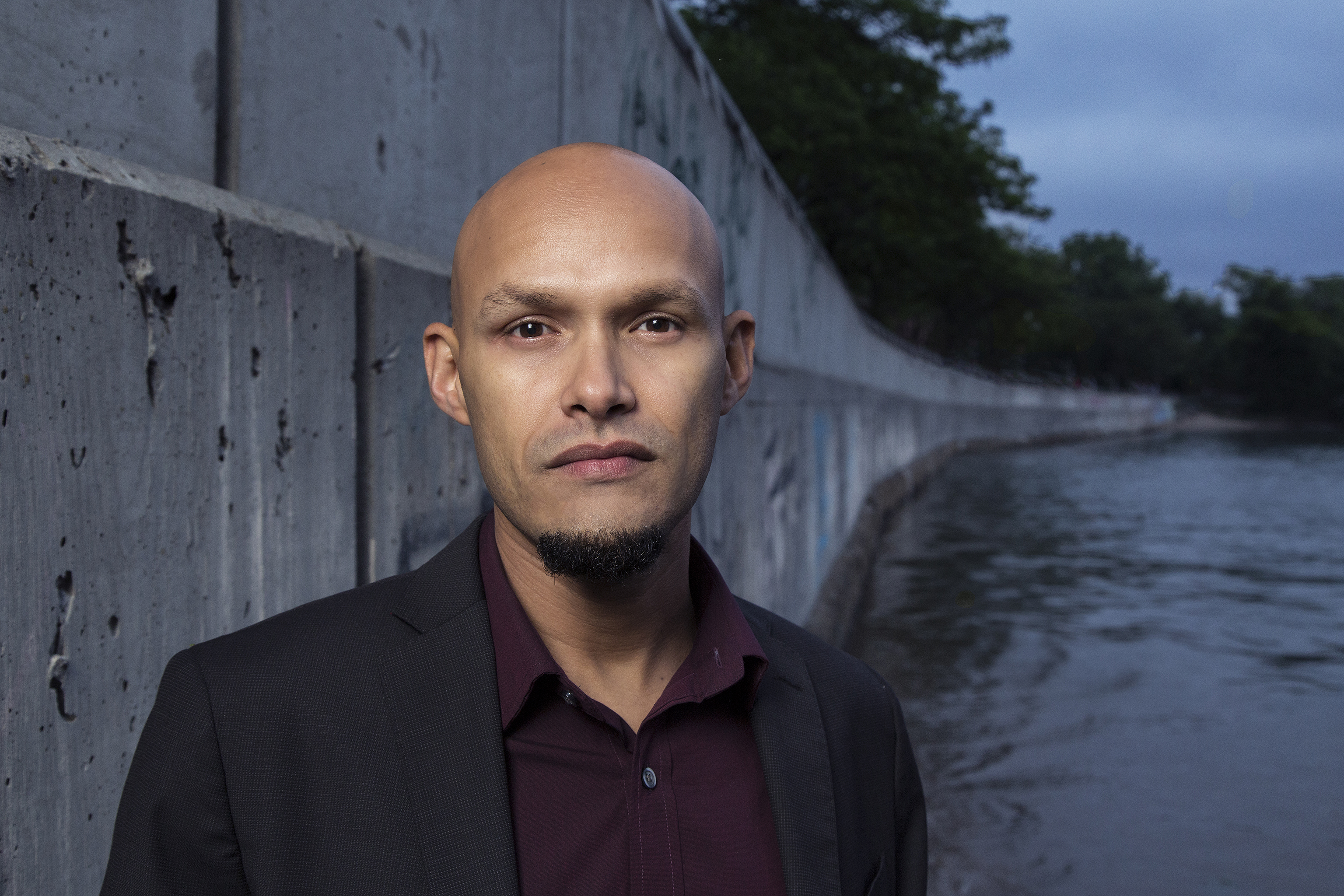
Saxophonist and composer Miguel Zenón. Photo by Jimmy Katz.
On Yo Soy La Tradición (I Am The Tradition), his first full album featuring a string quartet, Puerto Rican saxophonist and composer Miguel Zenón re-imagines Puerto Rican musical and cultural traditions utilizing the tools of European classical music and jazz.
It´s an intriguing proposition — just don´t expect musical postcards from home.
Zenón is a creator and an explorer, not a nostálgico. He brings to his searches an intense, serious-minded curiosity that tends to give his work a sharp, probing edge.
It´s demanding music, deliberately constructed and surprisingly emotional, but the rewards are worth the effort.
Jerry González & The Fort Apache Band at Getxo Jazz in 2010.
Trumpeter, conguero, and bandleader Jerry González died Monday morning of cardiac arrest produced by smoke inhalation suffered in a fire at his home in Madrid, Spain, the previous night, reported the Spanish newspaper El Pais. He was 69.
Of Puerto Rican descent but born in Manhattan and raised in the Bronx, González had moved to Spain in 2000.
He was an extraordinary musician who crossed with ease and inimitable flair between tradition and experimentation; jazz, salsa, flamenco, and back — and left his mark every time, in every style.
His enormous musical legacy includes his work with the Grupo Folklórico y Experimental Nuevayorkino in the 1970s (a one-of-a-kind ensemble that produced the exceptional albums Concepts in Unity and Lo Dice Todo); his brilliant debut as a solo artist, Yo Ya Me Curé (1980); the Fort Apache Band, a high watermark in Latin Jazz (find Rumba Para Monk,The River Is Deep, or Obatalá); and his explorations in flamenco with singer Diego El Cigala, and guitarist Niño Josele (Jerry González y Los Piratas del Flamenco)
He had celebrated his 50 years in music with a series of concerts in Madrid in 2016.
Spanish film director Fernando Trueba, who featured González in Calle 54, his love letter to Latin Jazz, once called him “the last pirate of the Caribbean.”
He was a musical adventurer and innovator, but throughout his many explorations, a basic idea served him as North: know the tradition.
“I don’t care what you want to do,” he told me in an interview for The Boston Globe in 1991, “if you want to preserve and build on the classic styles, first you have to learn them well.”
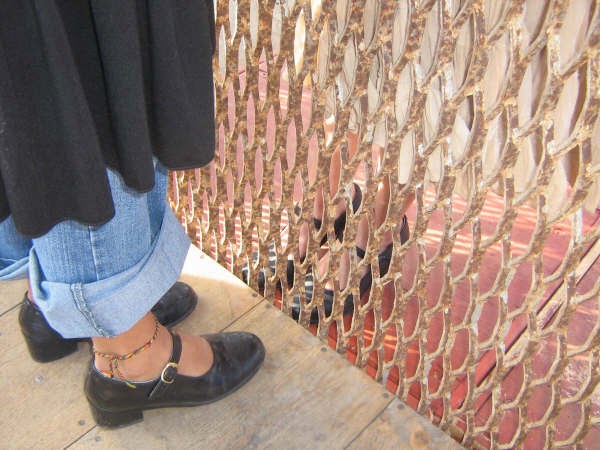
At the fence on the Tijuana-San Diego border at the Fandango Fronterizo.
Two new recordings by Latin artists are powerful reflections on the current administration’s treatment of immigrants and enforcement of border policies: Lines in the Sand (CAM Jazz) by Mexican born and raised drummer and composer Antonio Sánchez, a naturalized American citizen; and Fandango at the Wall: A Soundtrack for The United States, Mexico and Beyond (Resilience Music Alliance) by American pianist, composer, arranger and educator Arturo O’Farrill, who was actually born in Mexico, will be released Friday, Sept. 28.
These efforts join recently released works by other high profile Latin artists such as Puerto Rican drummer, bandleader and educator Bobby Sanabria (West Side Story Reimagined), Mexican singer and songwriter Magos Herrera with Brooklyn Rider (Dreamers) and Puerto Rican saxophonist, composer and arranger Miguel Zenón (Yo Soy La Tradición).
While broadly diverse in tone, approach, and instrumentation, these recordings, either explicitly or by the nature of the work, are a response to the current administration’s policies and attitudes towards immigrants and people of color.

 Jazz With an Accent