Cortadito y el sonido del son: de Cuba y Miami para el mundo

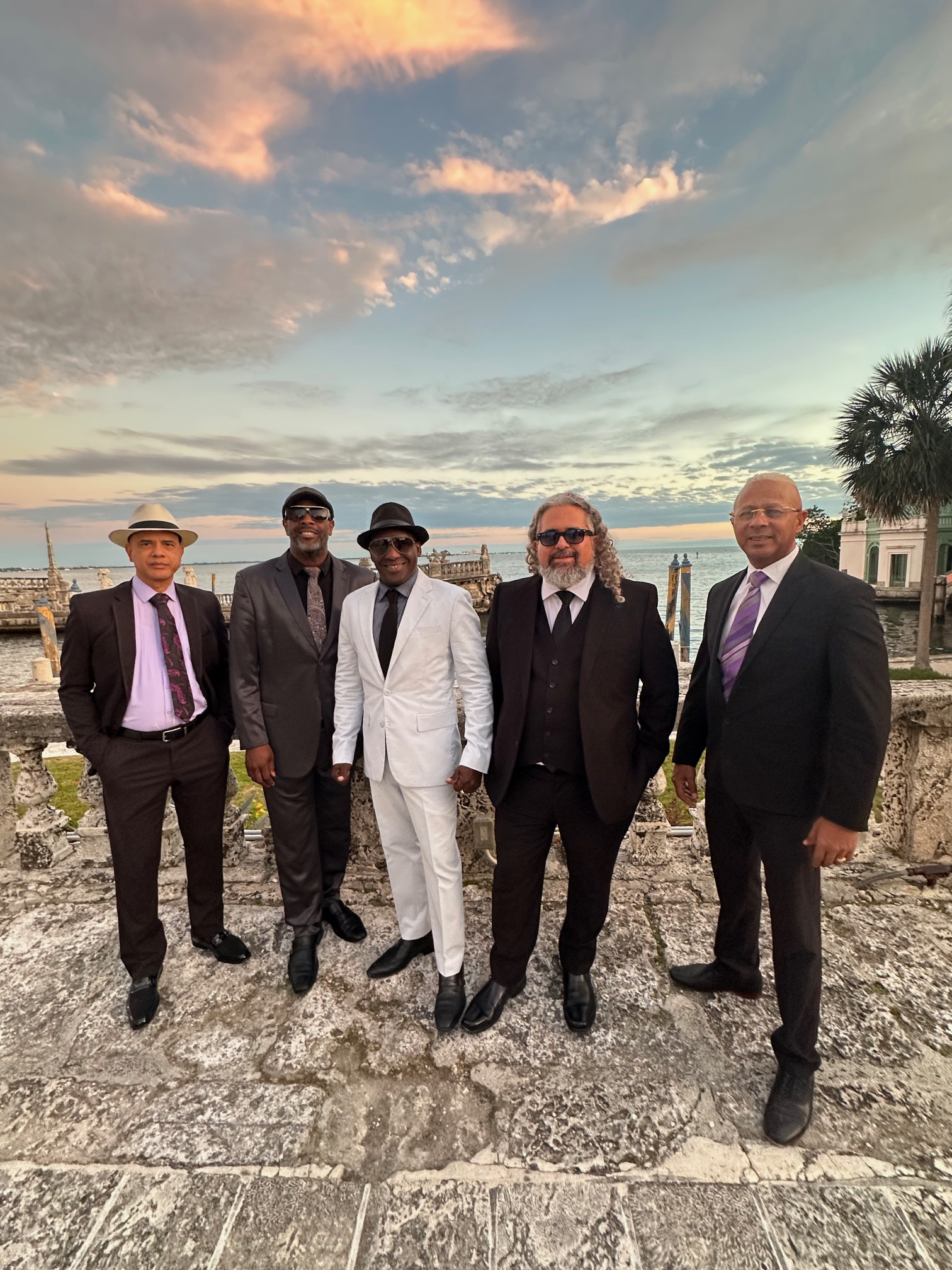
Cortadito, de izquierda a derecha: Santiago McCook, Tony Perigo, Julio César Rodríguez Delet, José Elías, y Alberto Pantaleón. Foto cortesía de Cortadito. 

(For the English version of this story, check here)

Desde su fundación hace 13 años (una vida en la música popular) Cortadito, el grupo líder de son cubano en Miami, ha sobrevivido desde la pérdida de miembros y los vaivenes del negocio de la música hasta una pandemia. Talento y persistencia serán recompensados el domingo 4 de mayo en el Miami Beach Bandshell, cuando Cortadito celebre el lanzamiento de “The Guajiro Triangle” (El Triángulo Guajiro) su primer disco de larga duración.

Bajo el título “Son Del Mundo”, el concierto presentará al quinteto Cortadito aumentado con músicos adicionales y la participación de invitados tales como la cantante cubana Albita, el pianista cubano Michelle Fragoso, el flautista puertorriqueño Néstor Torres, el maestro percusionista cubano Lázaro Galarraga (miembro fundador del Conjunto Folklórico Nacional de Cuba), el ensamble de música afrocolombiana Grupo Barrio Abajo, y el popular grupo comunitario de percusión brasileña Miami Bloco

La elección de estos artistas y grupos no sólo pone bajo foco las raíces cubanas del son, un género vocal e instrumental bailable nacido a fines del siglo XIX en la región oriental de Cuba, fusionando elementos musicales africanos y españoles, sino también su huella en la cultura mundial.

“El son lleva casi 200 años siendo relevante”, dice José Elías, tresero, líder y co-fundador de Cortadito. “En la música cubana, el son dio lugar a géneros como el chachachá, el mambo y la timba. Luego también tuvo un impacto global con la salsa, una especie de gumbo de diferentes culturas creada por puertorriqueños, panameños, dominicanos, y cubanos que se encontraron en Nueva York. Y el son también llegó a lugares como Colombia, y África, donde fue una influencia fundamental en la Rumba congoleña, en la llamada edad de oro de la música africana [en los años 60 y 70] y el trabajo de artistas como Tabu Ley Rochereau, Franco y Dr. Nico, en países como Mali y Senegal y la música de grupos como Bembeya Jazz, de Guinea, o la Orchestra Baobab de Senegal”.

José Elías, cofundador y tresero de Cortadito. Foto por Edwin Cardona, cortesía de Cortadito.

Cortadito ha colaborado con diferentes artistas durante años, dice Elías, incluendo, notablemente, artistas como Eliádes Ochoa (miembro clave de Buena Vista Social Club) quien en su música exploró las conexiones entre al música cubana y la música africana en colaboraciones con el saxofonista camerunés Manu Dibango (CubAfrica, 1998) y músicos de Mali (AfroCubismo, 2010). Y Elías también nota que el fallecido pianista, compositor, arreglista y director de banda cubano Adalberto Alvarez impulsó desde 2019 la celebración del 8 de mayo, la fecha de nacimiento del compositor Miguel Matamoros y el cantante Miguelito Cuní, como el Día del Son Cubano. “Entonces decidí que esta celebración del lanzamiento de “El Triángulo Guajiro” podría ser una celebración internacional del día del son”, dice.

Nacido en la República Dominicana de padres cubanos, Elías cuenta que se crió “desde muy pequeño” en Miami. Aunque inmerso en la cultura cubana, “cuando empecé a tocar música, empecé a tocar por Eddie Van Halen, el heavy metal y cosas así. Fue más tarde que descubrí el jazz y la llamada World Music (Música del mundo), la música africana y el Afropop – y fue la música del mundo la que finalmente me llevó a la música cubana”.

Elías cuenta que “ya conocía a Matamoros, a Félix Chappottín, a Arsenio Rodríguez”, pero escuchar Buena Vista Social Club, un disco grabado en la Habana en 1997 por Ry Cooder y Nick Gold que explora clásicos géneros de la música cubana con la participación de creadores cubanos, algunos muy mayores, ya retirados y casi olvidados, fue decisivo en su evolución musical. “La autenticidad del sonido y la calidad de producción del Buena Vista Cultural Club fue inspirador”. En 1998, Elías comenzó a explorar el tres. Desde entonces, el instrumento se hizo central en su música.

En 2011, después de estar 12 años con el grupo Conjunto Progreso, Elías fundó Cortadito con Julio Cesar Rodríguez Delet, un guitarrista y cantante de Santiago de Cuba. El grupo comenzó como dúo. En 2012 lanzaron “Abriendo Caminos”, y en 2018, Canciones de Julio, ambos EPs de cuatro y cinco canciones respectivamente. En busca de oportunidades, Rodríguez Delet se mudó a Houston en 2013, fue reemplazado por el cantante Humberto Upierre, y el grupo fue completado de acuerdo al compromiso por un elenco rotativo de músicos. Rodríguez Delet regresó a Miami y se reintegró al grupo en 2018. “Luego avanzamos rápido hasta marzo de 2020, y cuando estábamos levantando, vino COVID”, dice Elías.

“El Triángulo Guajiro” es el primer CD completo del grupo, que lo grabó como septeto aumentado con músicos invitados.
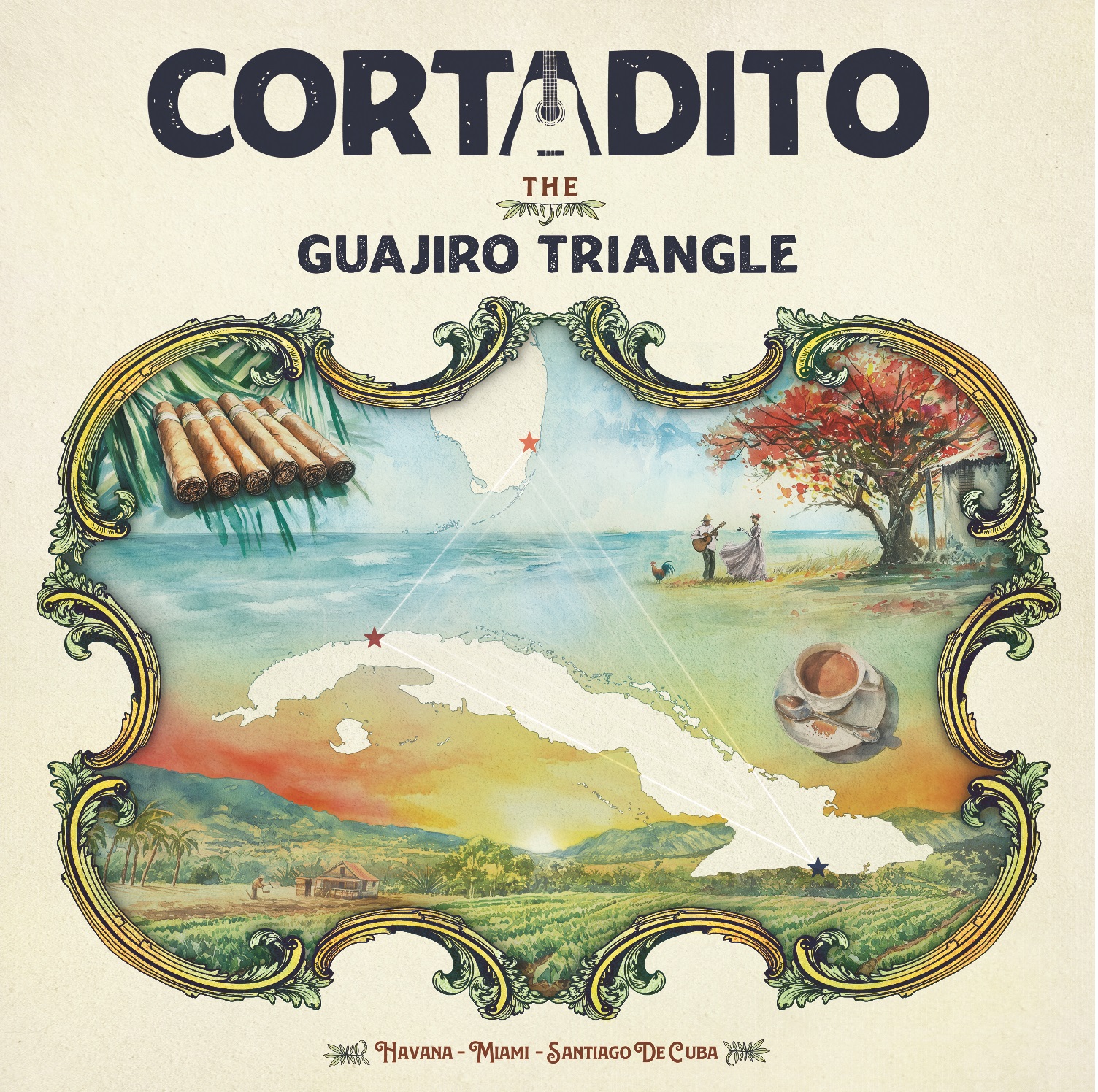
El álbum es un muestrario del son clásico y moderno, dice Elías. “Julio es de Santiago de Cuba y Humberto es de La Habana, y todos vivimos aquí en Miami. Julio escribe en un estilo que es muy tradicional, el estilo de son de Santiago, que es muy despojado, muy minimalista, pero muy criollo. Mientras que el son de Humberto es más un son de La Habana, es un estilo más refinado, utiliza más voicings de jazz en sus acordes lo que le da un sonido más moderno – pero sigue siendo son”.

El tercer compositor en esta producción es Alberto Pantaleón Hernández, el fallecido padre del bajista del grupo, Alberto Pantaleón. Sus dos temas representan el sonido de La Habana, dice Elías. “Es el sonido de una banda más grande con varios metales y piano, y ahí tienes ‘El Triángulo Guajiro’: Santiago – La Habana – Miami. Y nos encontramos y vivimos en Miami, el nuevo centro del son en el siglo 21”.

Una versión editada de este artículo (en Español) fue publicada por la revista digital Artbusrtmiami.com el 23 de abril.

(For the English version of this story, check here )

A Tribute to Eddie Palmieri at South Beach Jazz Festival: Celebrating Tradition and Innovation


_DSC3886

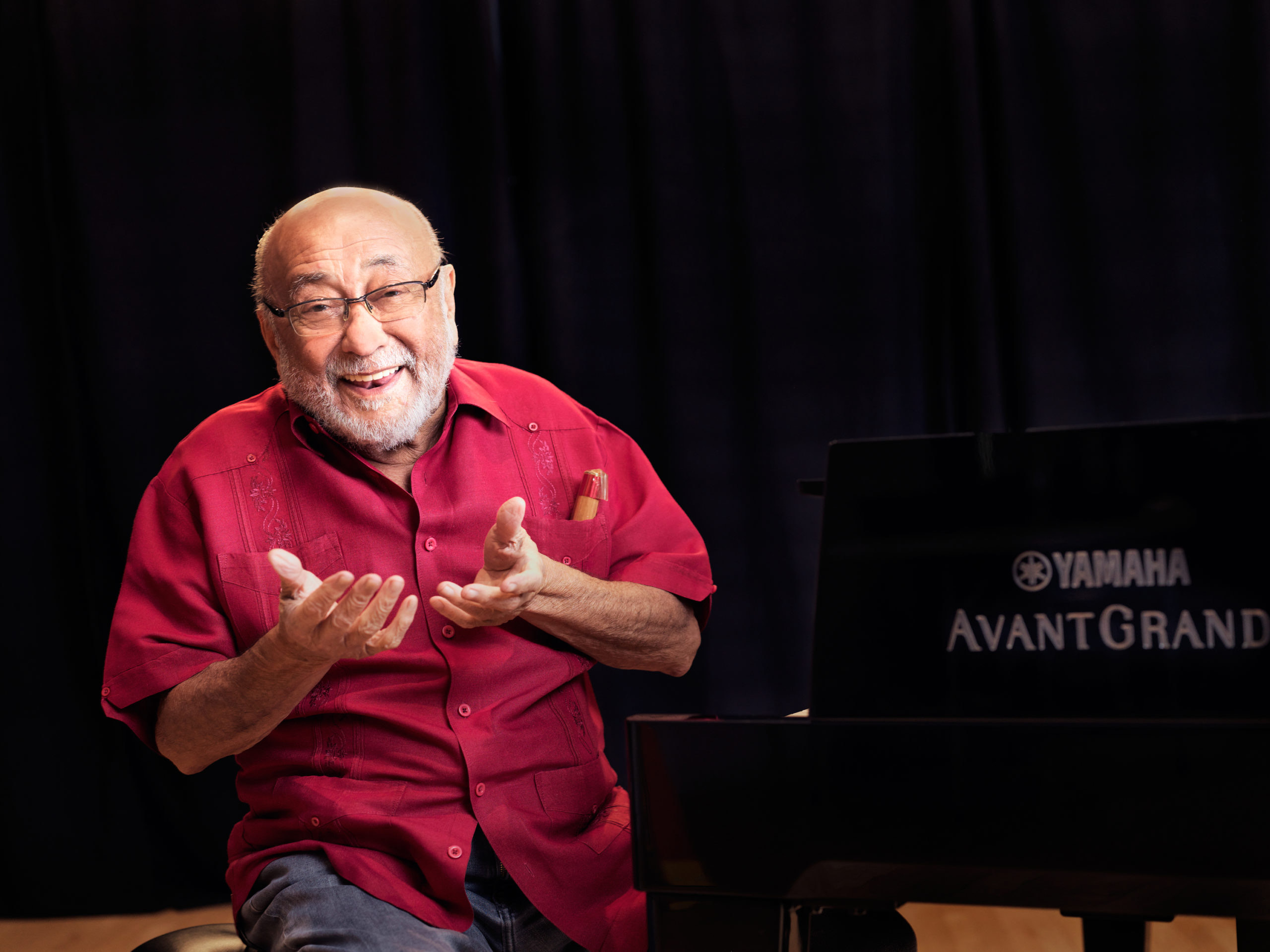
The irrepressible Eddie Palmieri had to cancel his appearance at the South Beach Jazz Festival but his music and its spirit were well represented. (Photo courtesy of artist management)

Health issues forced pianist, composer, and bandleader Eddie Palmieri, 88, to cancel his scheduled appearance at the South Beach Jazz Festival. But, his music and his profound impact on salsa and Afro-Cuban Jazz will be well represented in the tribute celebration at the Miami Beach Bandshell, on Saturday, Jan. 11.

The concert will be anchored by Sonido Solar, a tribute band endorsed by Palmieri, featuring Louis Fouché, the show’s music director, on alto saxophone, Luques Curtis on bass, Vicente “Little Johnny” Rivero on congas, Camilo Molina on drums, and GRAMMY-nominated and Palmieri’s mentee Zaccai Curtis on piano. Two long-time Palmieri collaborators, trumpeter Brian Lynch, and trombonist Conrad Herwig, key players on Palmieri’s 1990s milestones such as “Palmas,” “La Perfecta II,” “Vortex,” and “Arete,” will join as special guests, adding historical perspective to a celebration of a remarkable career.

Over more than six decades, Palmieri has claimed a one-of-a-kind place in Afro-Caribbean music. He is an avant-gardist with a traditionalist’s heart who, leading salsa orchestras or jazz bands, has found ways of negotiating the demands of the dancers on the dance floor and the expectations of his dedicated listeners. He rarely disappointed them.

Dancers could set their watches to Palmieri’s implacable tumbaos on his left hand, but then, he would take a piano solo and set out to probe the boundaries of the song, punctuating the phrases with dissonant clusters and unexpected turns, challenging the orchestra and the soloists to build castles over the rhythm section. Dancing to experimentation rarely sounded more natural.

“Well, it’s a struggle: the dancer against the orchestra,” Palmieri told me in an interview in New York some years ago. “That’s how I learned this music; that’s how I play it now, and that’s how it will always be for me. We must push forward. We must always try to extend, to explore, to better what we have. If not, we might as well just sit around and wait for death.”

In fact, in Palmieri’s music, the line between Afro-Caribbean jazz and dance music, call it salsa if you must, often blurs — and after all, jazz was not that long ago popular dance music.

“Dance is the essence of our work,” said Palmieri. “This is music for the people, to make people dance. It’s up to the artist what he wants to put on top, where he takes it, but we are dance orchestras first — and we must never forget that.”

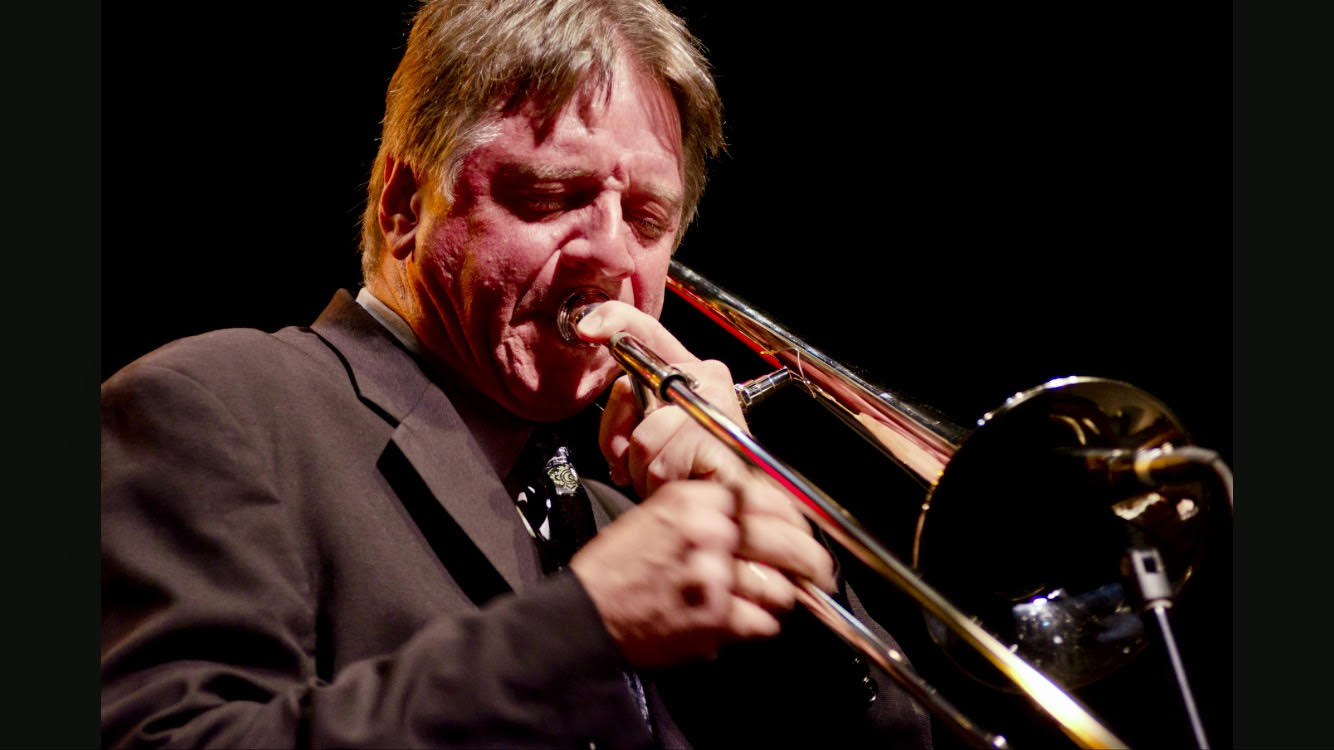
Herwig’s trombone career strides the line between jazz and Afro-Caribbean music. It’s an approach best illustrated by his successful series of recordings, “The Latin Side of … “ in which Herwig reimagines the music and styles of jazz masters such as John Coltrane, Wayne Shorter, and McCoy Tyner within an Afro-Caribbean framework.

Screenshot
Conrad Herwig’s photo courtesy of Michael Rath Trombones

“Think of Duke Ellington, Count Basie, Jimmie Lunceford. They were all dance bands,” notes Herwig. “When we play concerts with Eddie, hundreds of people will surround the stage to hear the solos and the interaction between musicians up close— and then behind them, there’ll be hundreds of people dancing, feeling the rhythm, listening with their feet.”

Herwig believes Palmieri’s genius is how he can excite the dancer and the listener.

“Now, that’s the fusion of the 21st century: bringing together people who don’t care about dance but love jazz and people who don’t care about jazz but love to dance. One of the highlights of my career is playing John Coltrane’s music and having people dance to it — and that idea comes from Eddie Palmieri.”

Herwig is not just a trusted collaborator for Palmieri. Their long, close association transcends the mere professional (Palmieri is the godfather of Herwig’s son), and Herwig recalls having “many conversations with Eddie about why it must be mutually exclusive? Why would you have to have something popular and danceable separate from something intellectually challenging and pleasing? Why can’t you have both?”

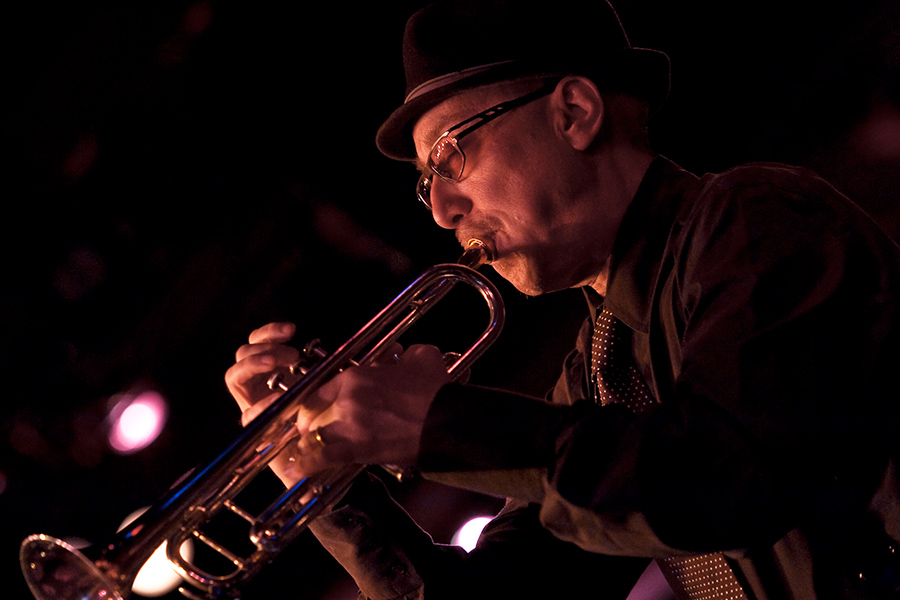
Lynch, a two-time Grammy-winning player, arranger, and bandleader with an extensive career that includes stints with Horace Silver, Art Blakey and the Jazz Messengers, and saxophonist Phil Woods, concurs.

Brian Lynch’s photo courtesy of Tomoji Hirakata

“I’ve played with Eddie in his dance orchestra, I played with him in his Latin jazz groups, and I’ve seen people dancing to Latin jazz, “says Lynch, a frequent musical partner of Herwig in the trombonist’s “Latin side” series. “Perhaps the difference would be that Latin jazz would be instrumental, without a singer.”

Fouché is the co-founder with the Curtis brothers and trumpeter Jonathan Powell of Sonido Solar, the core band in this tribute. All four were members of Palmieri’s band and Fouché says “If you look at the history of Eddie’s bands, he’s always had a really keen eye for finding and developing young talent. So, it’s a huge honor to be a part of this current generation.” Sonido Solar, the name alludes to Palmieri’s moniker “The Sun of Latin Music,” was founded to “very explicitly pay tribute to Eddie and his approach to delivering this music.” Palmieri endorsed the band and played on two tracks of Sonido Solar’s debut album, released in 2022.

Louis Fouche - Photo by Joseph Schembri

Saxophonist Louis Fouché, founding member of Sonido Solar, will be the music director of The South Beach Jazz Festival tribute concert to Eddie Palmieri. Photo courtesy of Joseph Schembri.

“One thing Eddie says, and he’s very proud of it, is that his start was as a dance orchestra leader, and everything that he does is danceable, whether it’s instrumental or there are vocals in it. And that’s what he lives by,” says Fouché, who has performed with Palmieri since 2010.

He says having the chance to perform with Eddie was a dream for him.

“I always loved his compositions, the energy he transmits, and how it hit my spirit,” he says. As a listener first and then on the bandstand, Fouche found Palmieri’s overall approach “fascinating.”

“He takes a lot of risks and takes the music in very interesting directions,” says Fouché. “But the core, the rhythmic core, the structural core of the compositions is always there. If it’s not there, he doesn’t want it. You’ll hear (in his music) the same ingredients of those 1940s records he idolizes. And it’s a really cool thing because it’s a combination: it feels rooted — but then it also feels like it’s in outer space sometimes, and he’s found a really unique way of doing that.”

While discussing Afro-Cuban jazz, Palmieri laid out his views decades ago.

Eddie-Palmieri-4-scaled

(Eddie Palmieri’s photo courtesy of artist management)

“You can’t just say you know the tradition, or you respect it. You must understand it,” he told me emphatically during an interview. “Those who say that it doesn’t matter never got it to begin with. You must understand la clave (the basic rhythmic pattern in Afro-Cuban music), and you must understand the dance patterns. Every rhythm had a step —  the mambo, the cha cha cha, the guaracha —  and everybody knew how to dance it. It was an art. Then you put the harmonic advances of jazz with those rhythmic patterns from Africa that have been with us for centuries, and you don’t need anything else. You have the strongest, most complex, beautiful music on earth.”

This preview was first published in Artburst Miami on Thursday, Jan 9

Jazz With an Accent Radio Playlist for Nov. 21st

Jazz with an Accent logo with image of upside down globe and bannerIf you’ve heard any of the previous Jazz With an Accent shows, you know they are usually loosely structured around a theme. I find it a practical way to present the work of artists from disparate backgrounds and traditions exploring a common idea.

Tonight, we’re going off-script. We’ll try this and that and zigzag between musical styles and settings, from duos to big bands. Some artists are old favorites; others are recent discoveries. Once the dust settled I realized that this program has a(n) (unplanned) Latin accent and that while there are no unexpected sharp left turns (and we’ve shared a few of them in previous programs), some tracks are unequivocally jazz with an accent, while others are um, jazz-adjacent (let’s consider them reminders of the impact of jazz on other genres.)

As always, I just hope you find something that moves you and intrigues you.

A housekeeping note: This shop will be closed for the next few weeks. We will have Jazz With an Accent radio on its regular day and time (we’ll replay some favorite programs), but no blog posts.

The crew at Jazz With an Accent wishes you and yours a happy and healthy Thanksgiving. Let’s meet again in mid-December in the same place, at the same time.

Thank you for listening,

Fernando

 Playlist


  1. Vinicius Cantuaria & Bill Frisell “Calle 7”         Lágrimas Mexicanas
  2. Vince Mendoza & Arif Mardin “Soy Gitano”    Jazzpaña I
  3. William Cepeda & AfroRican Jazz             “Bomba Flamenca”  Expandiendo Raíces (Branching Out)
  4. Neff Irizarry                   “Cuatro Minutos” (Four Minutes)    Cambio
  5. Vienna Art Orchestra            “Blues for Brahms”                 Blues for Brahms
  6. Yelena Eckemoff w Arild Andersen and Peter Erskine    “Dripping Icicles”  Glass Song
  7. Wolfgang Muthspiel, Larry Grenadier & Brian Blade    “Uptown”    Driftwood 
  8. Vanderlei Pereira & Blindfold Test      “Mercado Modelo”  Vision for Rhythm
  9. Vinicius Cantuaria & Bill Frisell   “Lágrimas de Amor”    Lágrimas Mexicanas

WDNA Logo Transparent