Jazz singing is disputed territory. But in Jazz With an Accent tonight, we will take the long view. This is, after all, global vocal jazz. Some tracks will have a familiar feel, others will push against the edges of styles and traditions in both jazz and indigenous music but then, that’s part of what this program is about.
We’ll do our fair share of armchair traveling in Jazz With an Accent, and tonight we will be (once again) a bit all over the map, geographically and stylistically but focusing on a few exceptional vocalists. (Consider it a very small sampling. We’ll come back to voices in global jazz in future programs)
We will open the program with New York-based Mexican singer and songwriter Magos Herrera and “The Calling,” a track from her album Aire, followed by “Siren’s Song“ by Azimuth, a chamber-jazz trio that featured British vocalist Norma Winston (a singer with an extraordinary stylistic range), and her late mates, fellow Brit pianist John Taylor, and long time UK-based Canadian trumpet and flugelhorn player Kenny Wheeler. We’ll circle back to Azimuth to close the program with “The Longest Day,” a track featuring as guest guitarist Ralph Towner.
 In Aire, Herrera features a program that includes new compositions (commissioned by Chamber Music America’s New Jazz Works) and jewels from the Great Latin American Songbook, such as “Alfonsina y el Mar” and “Gracias a la Vida.” The album, released in 2023, was her response to the isolation brought about by COVID-19. It was, she told me at the time, “a celebration of our humanity and the healing power of music.” Aire “became a way to reach out,” said Herrera. “We’re here, we’re alive, and we can heal each other by coming together and celebrating our humanity with compassion and gratitude.” (Photo Magos Herrera by Shervin Lainez. Courtesy of the artist)
On the next bloc, we’ll hear Herrera again, this time singing in Spanish and in a different setting: as the vocalist of a one-off group featuring Chano Domínguez on piano, John Patitucci on bass, and Antonio Sánchez on drums. The song is “Comenzar,” from Quatro, The music of John Finbury (2019). A statement on the album page notes that “Quatro is both a celebration of cultural diversity and immigration and a condemnation of those who seek restriction based upon prejudice.” A timely commentary for this election season, as it turns out.
 Also in a more traditional jazz approach, we’ll hear “Cry Me a River” by British singer Alison Moyet, whose approach often blurs the line between jazz and pop singing. “Cry Me a River” is a track from Voice, her album of standards arranged by British film composer Anne Dudley.
(Photo of Alison Moyet in Germany, 2013, by Hinnerk Ruemenapf. Creative Commons)
And then, from the more conventional vocal jazz segment of the evening, we’ll turn to jazz-influenced performances a world apart, from Africa and Southeast Asia (in a couple of instances via Norway and France).
“Sand Dance,” is a track by Tunisian oud player and vocalist Dhafer Youssef and Austrian guitarist Wolfgang Muthspiel from their album Glow. Youssef is a fine oud player, but his talent as an instrumentalist pales when compared to his singing. He is an expressive vocalist with an astonishing range, and we’ll hear some of it in this piece. In Glow, Youssef and Muthspiel set out to take chances and blend and crash what could seem, on a first look, irreconcilable esthetics, and approaches. When it pays off, it can be breathtaking.

“Plantation Song” by vocalist Huong Thanh and guitarist Nguyen Le, both Vietnamese-born, and both residents of Paris, France, is a track from their exceptional album Fragile Beauty, a description as much as a title.
The album includes both arrangements of traditional Vietnamese songs and original pieces and throughout, Le brings harmonies, instruments, and strategies from jazz into another tradition to create a mix that respects the spirit and qualities of his sources.
We’ll hear koto, and dàn tranh zither (a Vietnamese zither), blended with electric guitars; he deploys a trumpet and a saxophone, but also sampling and an array of percussion, and yet, maybe it’s the unifying power of Huong Thanh‘s vocals; it all sounds organic.
(Photo of Huong Thanh performing at a concert of traditional Vietnamese music in Paris, by Jean-Pierre Dalbera, Creative Commons)
Organic is also the right term for the music we’ll hear by German guitarist and singer Leni Stern, the product of a process that started when she performed at Mali’s Festival in the Desert in 2006. That led to her spending several months a year living and working in Mali and Senegal, which, in turn, inspired her to create the EP Alu Maye (Have You Heard) and the album Africa, featuring Malian musicians and singers. Both recordings were released in 2007. Tonight, we’ll hear “Ami,” a track from Africa.
In Jazz With an Accent, we say there’s a world of jazz to discover, but sometimes there is not enough time to both talk about and play the music I’d like to share with you — and I prefer you hear the music, not me. So, if you want more information about what you heard (or what you missed), please come back to this blog or try WDNA.org. And if you’d like to make a comment, offer advice, place a request, or ask a question, please write to me at fernando@jazzwithanaccent.com
For now, thank you for listening.
Playlist
- Magos Herrera The Calling Aire
- Azimuth (Norma Winstone et al) Siren’s Song Azimuth
- Alison Moyet Cry Me a River Voice
- Quatro feat. Magos Herrera, Chano Dominguez, John Patitucci and Antonio Sanchez Comenzar Quatro The music of John Finbury
- Dhafer Youssef & Wolfgang Muthspiel Sand Dance Glow
- Nguyen Le & Huong Thanh Plantation Song Fragile Beauty
- Leni Stern Ami Africa
- Nguyen Le & Huong Thanh Tales Of The Mountain Fragile Beauty
- Azimuth (Norma Winstone, John Taylor & Kenny Wheeler w Ralph Towner) The Longest Day Azimuth


 We will hear it, especially, in the work of artists such as Norwegian trumpeter and composer Nils Petter Molvaer, or Swiss-French trumpeter Erik Truffaz. But we will also hear a variety of outcomes from these explorations and mixes. The result may hint at minimalism, ambient, or dance music but also daring blends and clashes of electronica, North African, and Western music. Some tracks might take from jazz a certain feel and attitude, perhaps the instrumentation, but no other typical elements. (Photo of Molvaer at the music festival Canal Street, Arendal Norway, July 2022 by Birgit Fostervold via Wikimedia Commons)
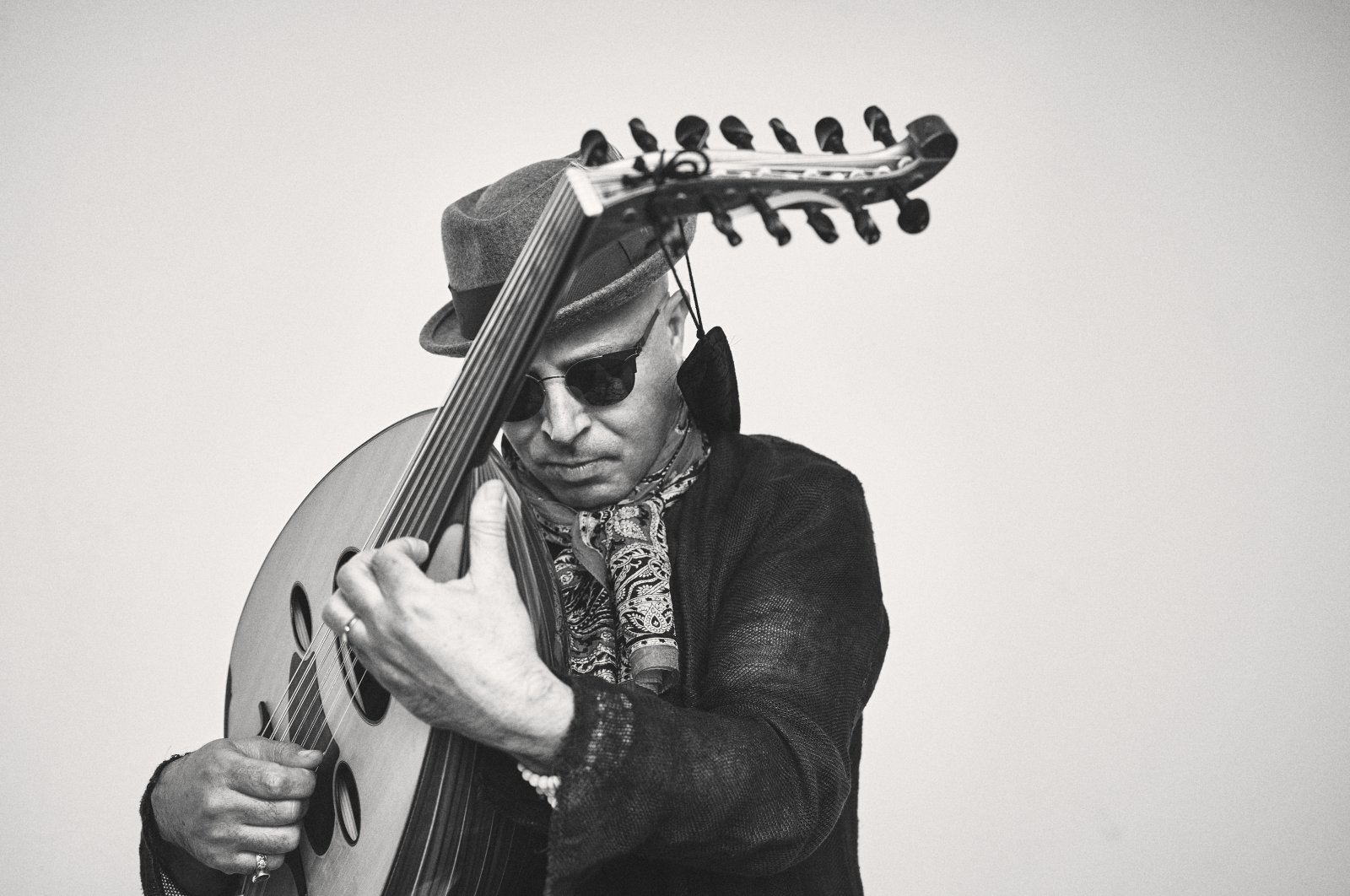 Tunisian singer and oud player Dhafer Youssef has been creating extraordinary work mixing elements such as Sufi chanting and electronica over the spacious landscapes of Scandinavian jazz. His album Digital Prophecy, from which we’ll hear “Seventh Heaven Suit,” was recorded in Norway and includes trumpeter Nils Petter Molvaer, pianist Bugge Wesseltoft, and Dieter Ilg, acoustic bass. In Digital Prophecy, Youssef sounds fearless as he follows up his probing in the previous Electric Sufi (2001) with a greater role for electronica and more extreme clashes. He is a fascinating, seemingly fearless artist.
 Pianist and keyboardist Bugge Wesseltoft moved stylistically from jazz (I believe I first heard of him working with saxophonist Jan Garbarek) to techno and dance music. For Bugge Wesseltoft & Friends, his multinational septet, he called on a varied group of friends and collaborators, including trumpeter Erik Truffaz, Turkish saxophonist Ilhan Ersahin, American DJ Joaquin “Joe” Claussell on rhythms and percussion, and three-piece rhythm section. Tonight, we’ll hear “Breed It” from the simply titled Bugge & Friends, a stylistically varied collection that, to my ears, alludes to Wesseltoft’s evolving musical preferences.