Philip Glass’s “Music in Twelve Parts,” 50 Years later

performancebrown2

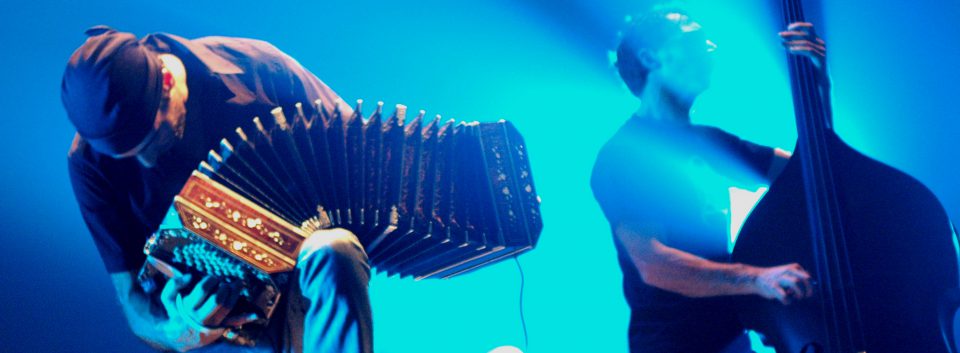
The Philip Glass Ensemble at Town Hall, performing Music in Twelve Parts. From left to right, Michael Riesman, music director, and conductor; Andrew Sterman, flute, piccolo, saxophone; Sam Sadigursky, flute, soprano sax; Peter Hess, saxophones; Mick Rossi, keyboard and Lisa Bielawa, voice, keyboards.


New York City. Philip Glass premiered “Music in Twelve Parts” at Town Hall in New York City in 1974. It was not just at a different cultural time but in a different country. If it’s hard to imagine what that audience must have made of a four-hour avant-garde piece with no story built on repeated patterns and subtly shifting rhythmic figures, consider The Philip Glass Ensemble’s 50th-anniversary performance at Town Hall on Saturday. The patterns of minimalism might be part of our musical vocabulary now, but the challenges “Music in Twelve Parts” poses to our ways of listening might have become tougher — and perhaps more necessary.   

I had been listening to the recording of a live performance by the Ensemble in Rovereto, Italy, in 2006, which featured several of the players in the current group and the composer on keyboards, and then I had the fortune to interview multi-instrumentalist, educator, and Ensemble’s manager Andrew Sterman for my program notes (below). It seemed like a fair preparation.

As it turned out, it was like trying to learn how to swim from a book.

Continue reading

Oumou Sangaré´s Malian soul

Mali singer Oumou Sangaré performing at the Afro Roots Fest concert in the Miami Beach Bandshell on Saturday. Photo by Fernando Gonzalez ©

Most likely, few in the audience understood any words Malian singer Oumou Sangaré sang at the Afro Roots Fest concert at the Miami Beach Bandshell on Saturday. It never mattered. She is a transcendent artist, a preacher, a storyteller, a soul diva who commands the stage with a mix of emotional power and regal elegance, and that voice, a one-of-a-kind instrument that, under her expressive control, cuts through questions of language and traditions and speaks directly to our humanity.

Backed by a tight and powerful seven-piece band comprising guitar, keyboards, bass, drums, kamale ngoni (African harp), and two backup singers, Sangaré essentially presented her most recent release, Timbuktu. She set the tone with the elegiac title track and “Wassoulu Don,” performed (as on the record) with a stern, muscular rock urgency before showing her vocal range in the delicate “Degui Nkelena.”

On a couple of pauses between songs, Sangaré addressed the audience briefly in French and English but didn’t attempt to explain the lyrics. As must happen often when performing in places that don’t speak her language, because she couldn´t count on the meaning of the words to tell the story to this audience, Sangaré became another instrumentalist, the de facto main soloist in her band. She is an expressive and experienced performer who moves about the stage with purpose, smartly pacing her singing, communicating meaning and intention through phrasing, tone, dynamics, and nuance, now painting in primary colors, forceful as if calling to battle, now offering a light touch, a caress perhaps, evoking a loved person or place.

It was a delightful ride in which you held your breath in awe one moment and soon later found yourself singing, dancing, and clapping along. By the end of the evening, we had been somewhere—the power of music by an exceptional performer.

Eliades Ochoa and Life after Buena Vista

ELIADES_OCHOA_0094

Eliades Ochoa. Photo by Massi Giorgeschi courtesy of Eliades Ochoa’s management

Singer, guitarist, and songwriter Eliades Ochoa may be a traditionalist in music but does not trade in nostalgia.

He achieved international fame as a charter member and key figure of Buena Vista Social Club, a Grammy-winning 1997 album featuring fresh interpretations of traditional Cuban songs and styles by artists such as singers Omara Portuondo, Pio Leyva, and Ibrahim Ferrer, singer and guitarist Compay Segundo, and pianist Ruben Gonzalez, among others.

It became a global phenomenon.

Ochoa, who had been playing from a very young age and was 50 years old at the time of Buena Vista, rode the wave but kept moving. He still is. As the headliner of the Afro Roots Fest opening concert at the Miami Beach Bandshell on Saturday, March 16, Ochoa will present his most recent album, Guajiro. (Peasant) The recording marks yet another turn in his long career as it showcases his work as a composer and expands the sound of his customary quartet.

Continue reading