A Global Music Fest in Miami — With a Cuban Accent

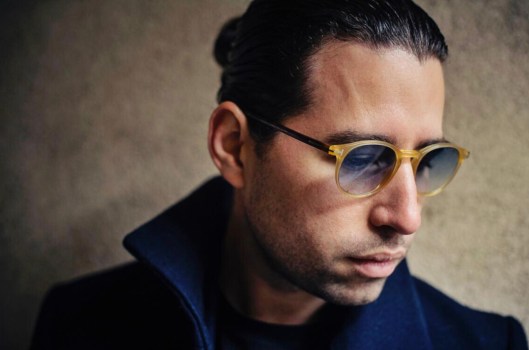
Alfredo Rodríguez photographer Robert Ifarrelli I
Alfredo Rodriguez. Photo by Robert Ifarreli. Courtesy Fundarte.

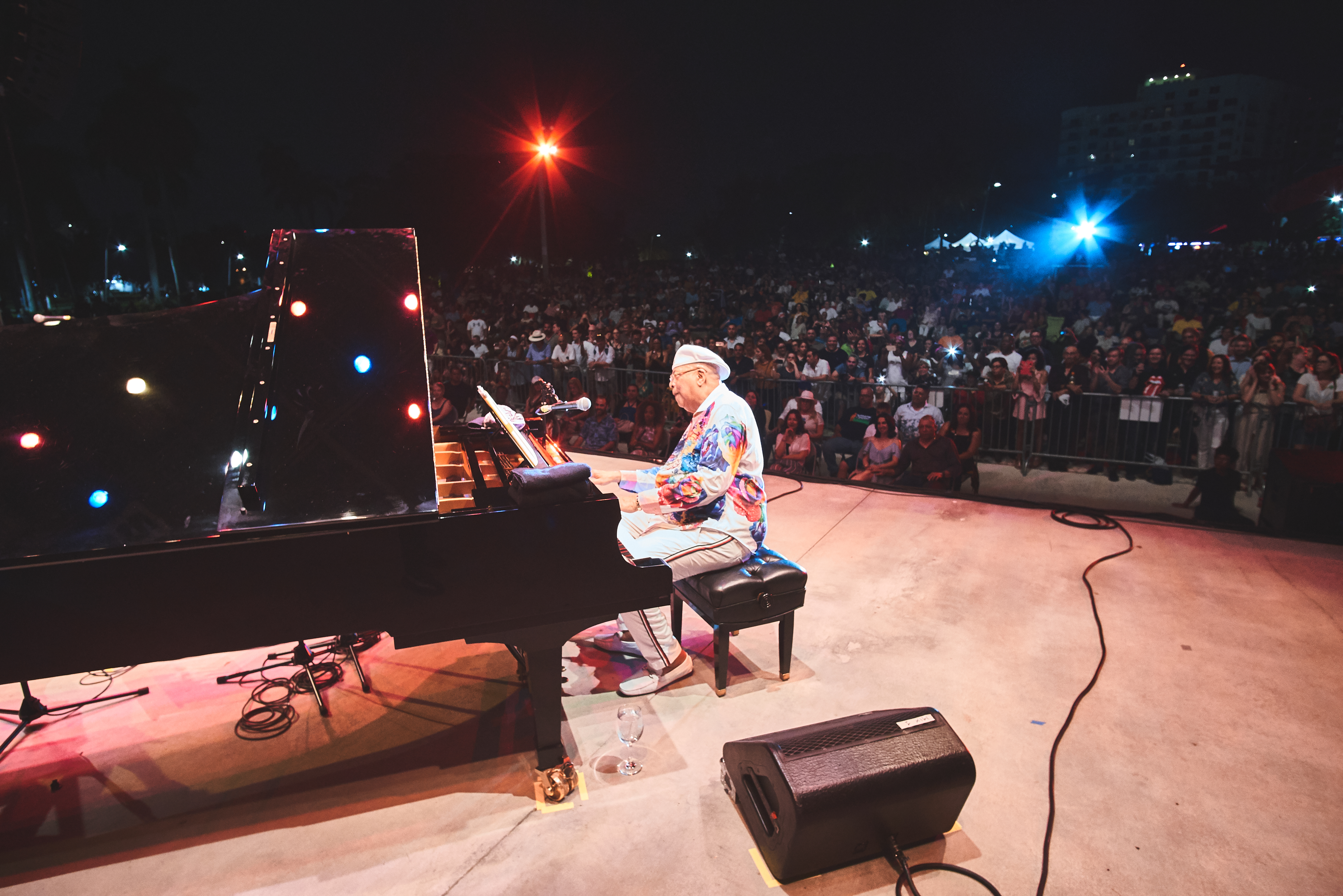
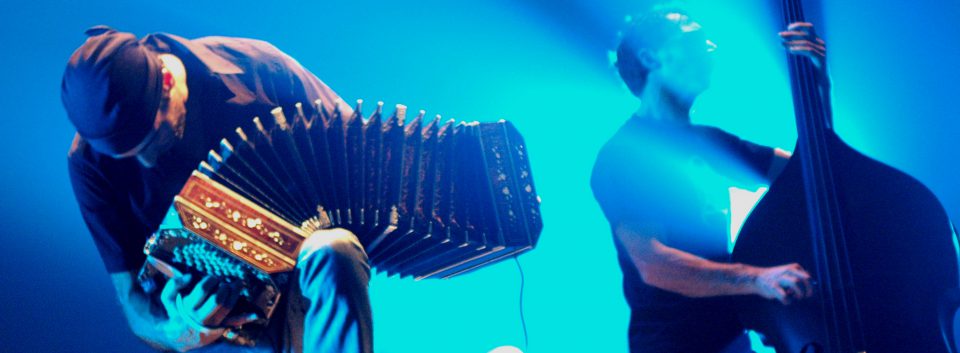
The 15th edition of Global Cuba Fest — presented by Miami Light Project and FUNDarte on March 5 and 12 — will offer a snapshot of the island’s music and culture constructed from images and sounds from a dozen different angles. Few are more improbable than those by Cuban pianist and composer Alfredo Rodríguez and Cameroonian bassist, singer and composer Richard Bona.

The son of a well-known television presenter, singer and entertainer of the same name, Rodríguez, 36, has turned a personal story that reads like a Hollywood script into an international music career. Producer Quincy Jones heard Rodríguez at the Montreux Jazz Festival in 2006 and sought to work with him. Rodríguez had to return to Cuba, but neither one forgot.
Three years later, after visiting his father in Mexico, Rodríguez took a flight to Laredo, TX, carrying, he once recalled, a suitcase with a sweater, and a pair of jeans. At the airport he was arrested. He pleaded with immigration officials, told the absurd-sounding truth — that he was coming to work with Quincy Jones — and they eventually put him on a cab to the border, where he started his trek to Los Angeles and a new life. His first concert in his new home was at the Hollywood Bowl. He has since recorded five albums, three of them co-produced by Jones.

Once anchored on formal classical studies, and the schooling on Cuban popular music he got playing on stage in his father’s orchestra, Rodríguez’s music has been opened to global influences by constant traveling and Jones’ ecumenical musical outlook.

“I am much more of a global artist now,” Rodríguez said recently. “The world that I would like to see has no walls and no borders.”

Rodríguez, who has been living in South Florida for the past two years, is putting his globalism to work in this show.

Continue reading

Chucho and Paquito: Old Friendship, Still Great Music

IMG_0903x

Chucho Valdés and Paquito D´Rivera rehearsing for their reunion recording.

Paquito D’Rivera first heard Chucho Valdés at a jam session in Havana in the early 60s. Paquito was 13 at the time. Seven years his senior, Chucho was already “a monster pianist,” as Paquito recalled in his autobiography My Sax Life (Northwestern). It was the beginning of a friendship (and mutual admiration society, Chucho calls Paquito “a genius”) that, over the years, produced extraordinary work. They most notably collaborated in Irakere, the Afro-Cuban jazz-rock small big band that in the 70s, and for the next two decades, set a high watermark in Latin jazz.

Paquito defected while on tour with Irakere in Madrid in 1980 and eventually settled in New York. Chucho, the band’s co-founder, director, principal composer, and arranger, launched a parallel career to highlight his piano playing in 1998 but stayed with Irakere, off and on, until 2005.

For the past four decades, their individual careers continued building as stories of great achievement — but their paths crossed only occasionally. Even brothers have their differences, and their friendship went through trying moments, resulting, at times, in some distancing. But these past few days, the mutual affection, and their joy for having back their old compinche, their partner in crime, set the tone of the music, the rehearsals, and the recording sessions.

Yes, there were old war stories told and laughing involved.

The playing was also pretty good.

Pandemic permitting, it will be a treat having them share stages again.

IMG_0911x

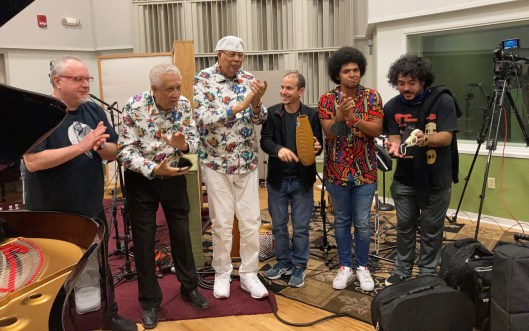
The “family photo” at the end of the recording sessions at the University of Miami. From left to right, Diego Urcola (trumpet and trombone), Paquito D’Rivera, Chucho Valdés (yes, in matching shirts), Dafnis Prieto (drums), Roberto Jr. Vizcaíno (percussion), and Armando Gola (acoustic and electric bass)

Mambo Influenciado. The Memoirs of Chucho Valdés

Chucho06

Chucho Valdés playing in Hollywood, FL. Photo by Fernando González ©

The following is an excerpt of a chapter from the unpublished Mambo Influenciado: The Memoirs of Chucho Valdés by Chucho Valdés with Fernando González. As a longtime contributor to and former managing editor of JAZZIZ, I was happy to share with the magazine, with Chucho’s permission, this excerpt of his memoirs. The piece appeared in JAZZIZ’s 2021 Winter issue.

Three Pianos, Two Guitars and a Band From Cuba

The Newport Jazz Festival at Carnegie Hall on June 28, 1978, had been billed as “Three pianos and two guitars.” Yet, as John S. Wilson noted two days later in his New York Times review, “All five were there — Mary Lou Williams, Bill Evans and McCoy Tyner on pianos, Larry Coryell and Philip Catherine on guitars. But by the end of the evening, they had almost been forgotten in the wake of an unannounced added attraction — Irakere, an 11-piece group from Cuba that had just been brought to New York by Columbia Records.”

Irakere’s appearance was the improbable result of a visit to Havana of a floating jazz festival aboard the cruise ship S.S. Daphne in May 1977. It was the first official U.S. visit to the island since the Cuban Missile Crisis. The truly all-star lineup included Dizzy Gillespie, Stan Getz, Earl “Fatha’” Hines and also Ry Cooder, who decades later would stir interest anew of Cuban musical traditions with his Buena Vista Social Club project.

Continue reading