Mambo Influenciado. The Memoirs of Chucho Valdés

Chucho06

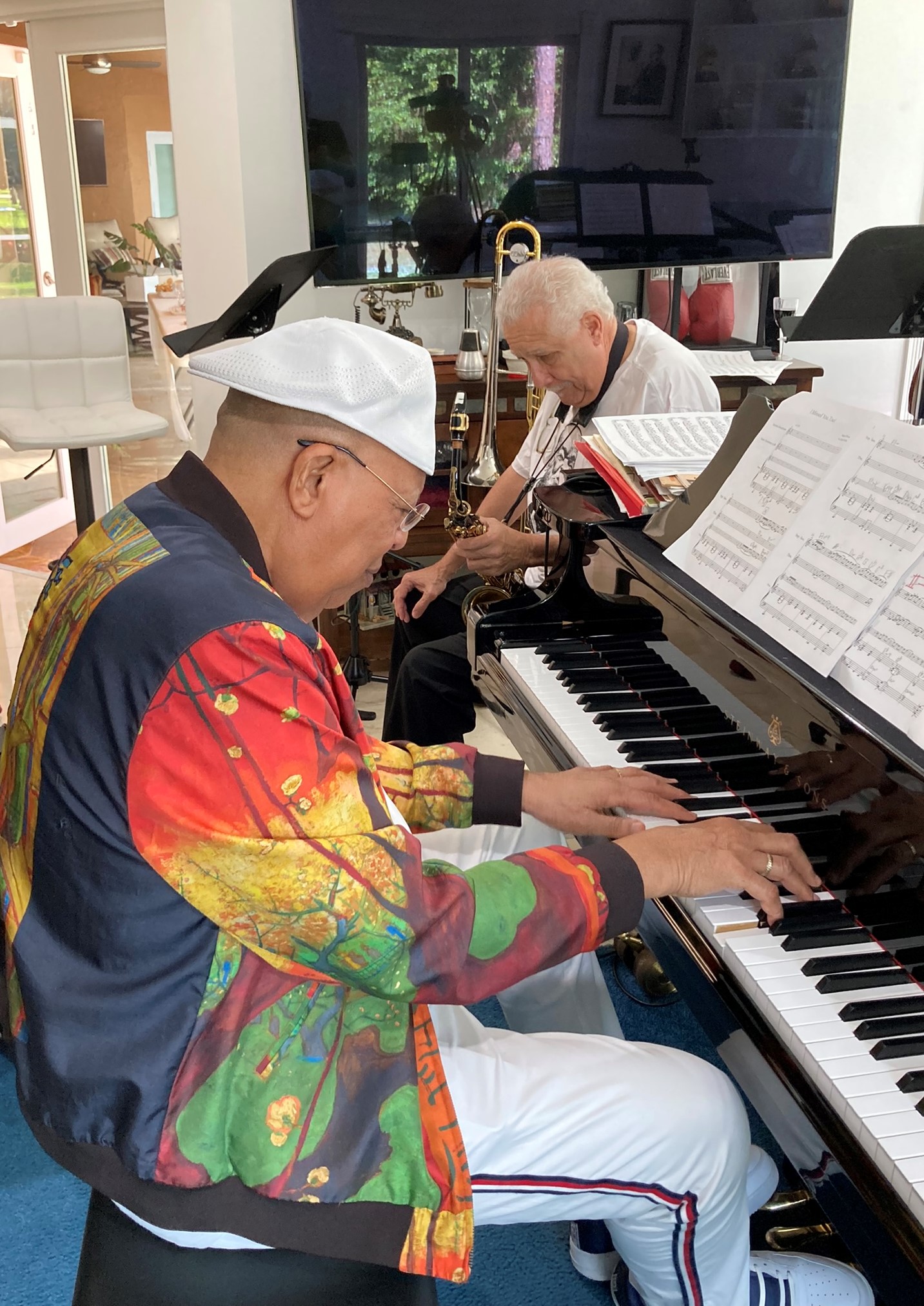
Chucho Valdés playing in Hollywood, FL. Photo by Fernando González ©

The following is an excerpt of a chapter from the unpublished Mambo Influenciado: The Memoirs of Chucho Valdés by Chucho Valdés with Fernando González. As a longtime contributor to and former managing editor of JAZZIZ, I was happy to share with the magazine, with Chucho’s permission, this excerpt of his memoirs. The piece appeared in JAZZIZ’s 2021 Winter issue.

Three Pianos, Two Guitars and a Band From Cuba

The Newport Jazz Festival at Carnegie Hall on June 28, 1978, had been billed as “Three pianos and two guitars.” Yet, as John S. Wilson noted two days later in his New York Times review, “All five were there — Mary Lou Williams, Bill Evans and McCoy Tyner on pianos, Larry Coryell and Philip Catherine on guitars. But by the end of the evening, they had almost been forgotten in the wake of an unannounced added attraction — Irakere, an 11-piece group from Cuba that had just been brought to New York by Columbia Records.”

Irakere’s appearance was the improbable result of a visit to Havana of a floating jazz festival aboard the cruise ship S.S. Daphne in May 1977. It was the first official U.S. visit to the island since the Cuban Missile Crisis. The truly all-star lineup included Dizzy Gillespie, Stan Getz, Earl “Fatha’” Hines and also Ry Cooder, who decades later would stir interest anew of Cuban musical traditions with his Buena Vista Social Club project.

Continue reading

Jose Luis de la Paz: Making Art Out of Misery

JoseLuis2

José Luis de la Paz at the Arsht Center, Miami, Saturday photo by Migdalia Salazar ©

The better artists are alchemists, turning seemingly impossible challenges into sources of light.

For José Luis de la Paz, flamenco guitarist and composer, the trials of the COVID 19 pandemic ranged from personal isolation, loneliness, and despair to, professionally, overnight, having no work and no prospect of work for weeks and months on end. And he turned it into Introspective, an album of deeply personal new songs he presented at the Adrianne Arsht Performing Arts Center in Miami, Saturday.

Introspection is perhaps not something readily associated with flamenco, but de la Paz has long established himself as an unusual artist. A student of flamenco guitar virtuoso Mario Escudero, de la Paz is a phenomenal technician on the guitar, clearly well educated in the tradition — but also curious and courageous, willing to probe and take chances to stretch the conventions of his chosen art form. He can go, and has gone, from a tablao accompanying a cantaor to taking the stage with the Los Angeles Philharmonic and elegantly navigating the traditional palos (flamenco styles) one moment and working on an electronic music project next. And by the way, no, not many flamenco artists have pieces with titles such as “Rondeña existencial” (Existential Rondeña).

Accompanied by an ensemble featuring Ana Ruth Bermúdez, cello; Alberto Puerto and Rodrigo Valdéz, guitars, and Adolfo Herrera, cajón and drum kit, and contributions by singer Gema Corredera and dancer and choreographer Siudy Garrido, de la Paz offered Saturday a program featuring a first half comprised of older material and a second featuring the music from the new album.

His sound seemed fuller than on pre-COVID performances — and with an edge. He set the tone of the evening with the first two solo pieces, eschewing pyrotechnics and athletic displays in favor of storytelling. Flamenco can be disorienting for those expecting conventional song forms, but still, de la Paz built his narratives clearly and patiently.

As the accompaniment around him grew fuller – first the additional guitars, then the cello and the percussion — the music gained in shadings and possibilities, but the focus remained. The story, however, was sometimes told in the choices of rhythms and styles. “La niña de mis ojos” (The Apple of my Eye) a guajira, part of the flamenco of ida y vuelta (roundtrip) drawing from the music of the Americas, elicited a stirring performance by dancer Garrido. The powerful “La fuente vieja” (The Old Fountain) featuring cello and percussion seemed to nod to the foundational Arabic elements in flamenco.

The program of the second half included titles such as “Alone,” “Desire to Escape,” and “A Crazy Day of Confinement.” It is rare to have a performer share their vulnerability and struggles so openly and directly. The mood darkened, the pace slowed, and the intensity and unexpected bursts of light (such as the tender “Elissa’s Lullaby” or the open feel of “The Deepness of the Ocean”) suggested a soundtrack for a story, and its attendant feelings, awfully familiar to many of us limping to the end of this COVID nightmare.

To make poetry of such misery, that’s art.

Chucho Valdés plays The Creation

jazz-roots-chucho-valdes-la-creacion-world-premiere-photo-by-eyeworks-production.jpg

Chucho Valdés, the Yoruba Orchestra and members of the University of Miami Frost School of Music Henry Mancini Institute Big Band, performing on Friday´s world premiere of La Creación. Photo credit: Eyeworks Productions Courtesy Adrienne Arsht Center

Maestro Chucho Valdés is not given to hype. So, when in the days leading to the premiere of his three-movement suite La Creación last night at the Arsht Center, in Miami, said that this was “the most important work of my entire career. So far,” your ears have to perk up. The piece was a commission by the Adrienne Arsht Center for the Performing Arts of Miami-Dade County.

The performance last night featured Valdés with his working group — Dafnis Prieto, drums; José Gola, acoustic and electric bass, and Roberto Vizcaíno Jr., percussion — expanded by the additions of Hilario Durán and John Beasley on keyboards and conducting (they also contributed arranging and orchestration), trumpeter Etienne Charles and members of the University of Miami Frost School of Music Henry Mancini Institute Big Band. It also included key contributions by a trio comprising Erick Barbería, Yosvany González Franco and Felipe “Coki” Sarria, on batá and vocals, and Yeni Valdés on vocals.

Time will tell about the place of this work in what is already a rich catalog. This was an ambitious idea fraught with risks: tell a complex story (see program notes below) in music through a blend of jazz and secular and religious Afro-Cuban musical traditions, and modern and ancient instruments. Valdés, with notable assists by Durán and Beasley, made it flow logically and purposefully, balancing raw power and grace.

For Valdés, who just celebrated his 80th birthday, La Creación suggests a summation of six decades of work.

It will be fascinating to hear how La Creación evolves after repeated performances.

His “So far” sounded last night like a fair warning.

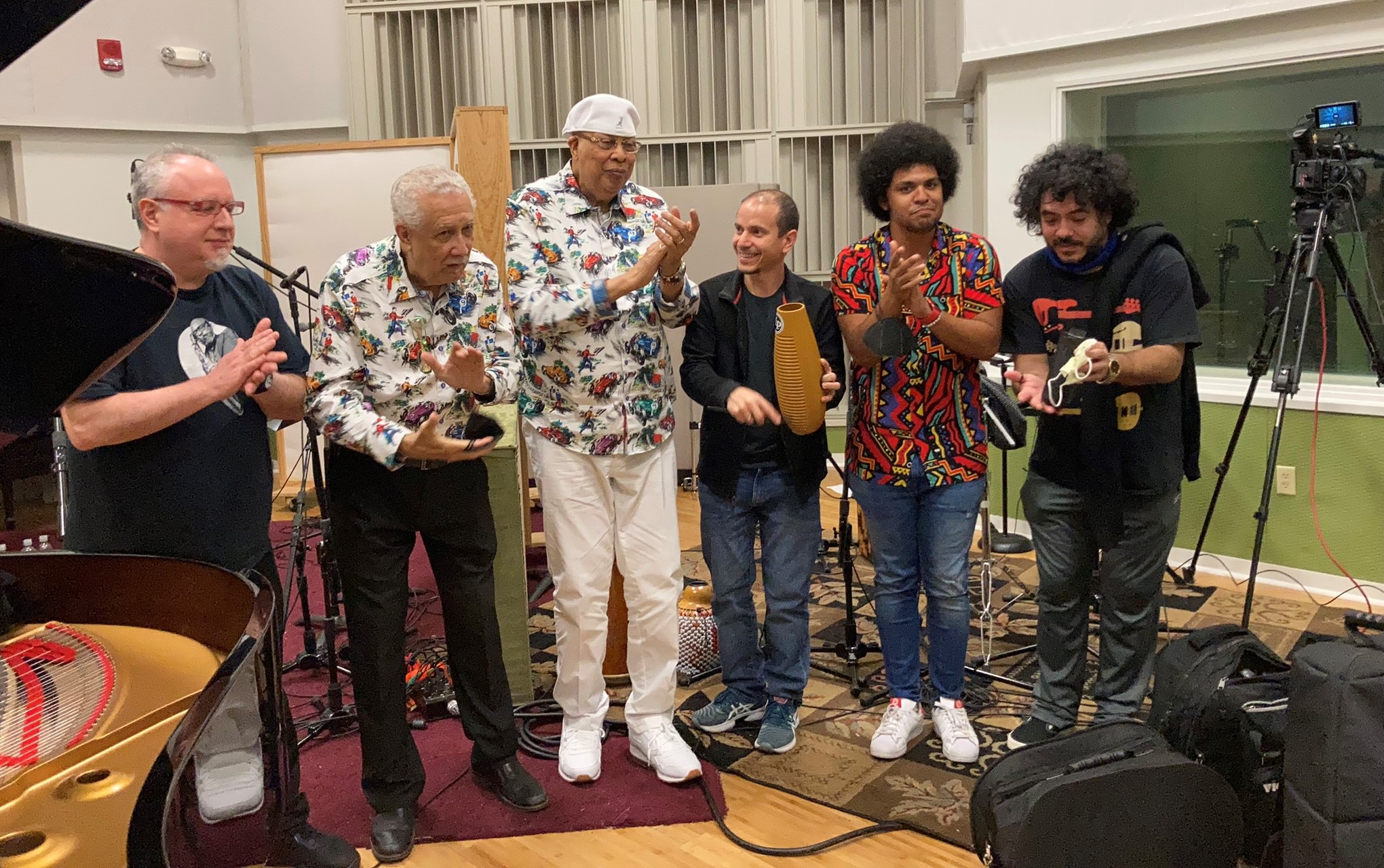
Left to right, John Beasley, Hilario Durán and Chucho Valdés at Thursday´s rehearsal with the score of La Creación. Photo Fernando González

Continue reading