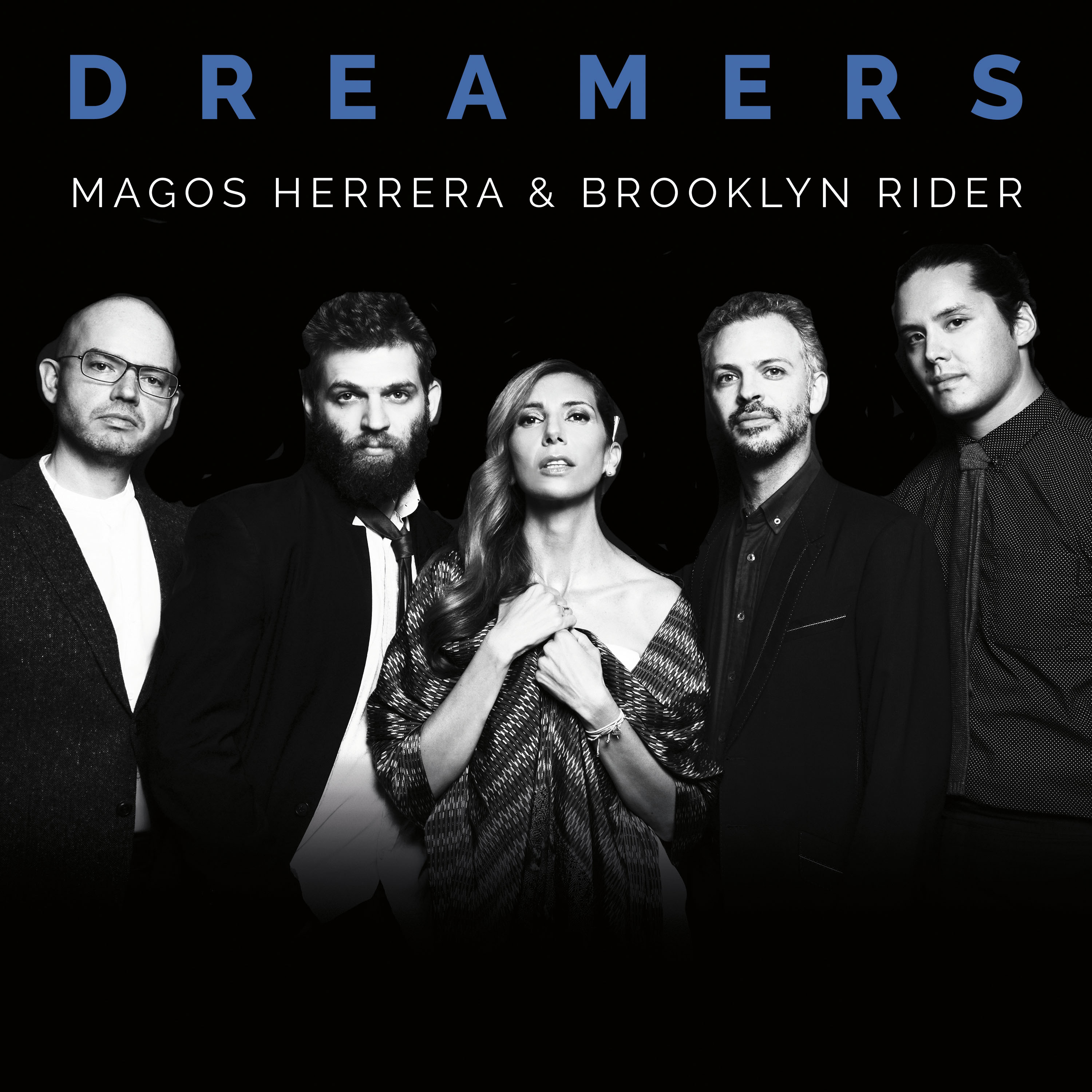
In their new releases, both collaborations with adventurous string quartets, Brooklyn-based Mexican singer and composer Magos Herrera and Puerto Rican saxophonist and composer Miguel Zenón make their statements about the current administration’s casual cruelty at the border and its callous neglect of Puerto Rico following Hurricane Maria simply by putting a spotlight on Latin American musical traditions.
In the right hands, beauty can be a quite effective blunt instrument.
Anybody interested in a broad view of jazz and the many ways, despite borders, humanity is interconnected, owes a debt of gratitude to pianist, composer, and bandleader Randy Weston, who passed away in his sleep Saturday, Sept. 1.
He was 92.
A bebopper and admirer of Thelonious Monk early on, Randolph Edward Weston’s approach to jazz evolved shaped by the teachings of his father, a Marcus Garvey’s supporter; and the work of jazz scholar Marshall Stearns, author of the influential The Story of Jazz, whom he met while working at the fabled Music Inn in Stockbridge, MA.
By the late 50s, Weston was committed to a two-way path: taking jazz to Africa while also championing the African roots of jazz.
It’s a perspective that would largely color the rest of his career.
Randy Weston African Rythm Orchestra Live at The Montreux Jazz Festival (1985)
Weston moved to Morocco in 1968, and lived there for five years, running a performing space, the African Rhythms Cultural Center, and actively engaging the Gnawa musical tradition.
His work with gnawa music is captured in exceptional recordings such as The Splendid Master Gnawa Musicians of Morocco (Verve Antilles, 1995), a showcase of gnawa musicians recorded in Morocco that earned a GRAMMY nomination; and Spirit! The Power of Music (Sunnyside, 2000) a live recording of a concert at a church in Brooklyn featuring Weston’s African Rhythms Quintet and an ensemble of musicians from Morocco.
Randy Weston opened doors both ways.
‘Blue Moses’ by Randy Weston, Abdellah El Gourd and Dar Gnawa of Tanger ” New School, New York City, Oct. 13, 2015.
An Argentinian in New York
Pedro Giraudo and the WDR Big Band
(Zoho)
Since moving to New York City more than 20 years ago, Argentinian bassist, composer and arranger Pedro Giraudo has pursued parallel musical tracks in jazz and tango, leading several ensembles including a big band. In jazz, Giraudo has consistently applied the tools and strategies of jazz to traditional Argentine styles and folk rhythms (such as the urban tango and milonga; and the country zambas and chacareras) but rather than fusion, which more often than not suggests compromises, the results have feel organic and greater than the sum of the parts.