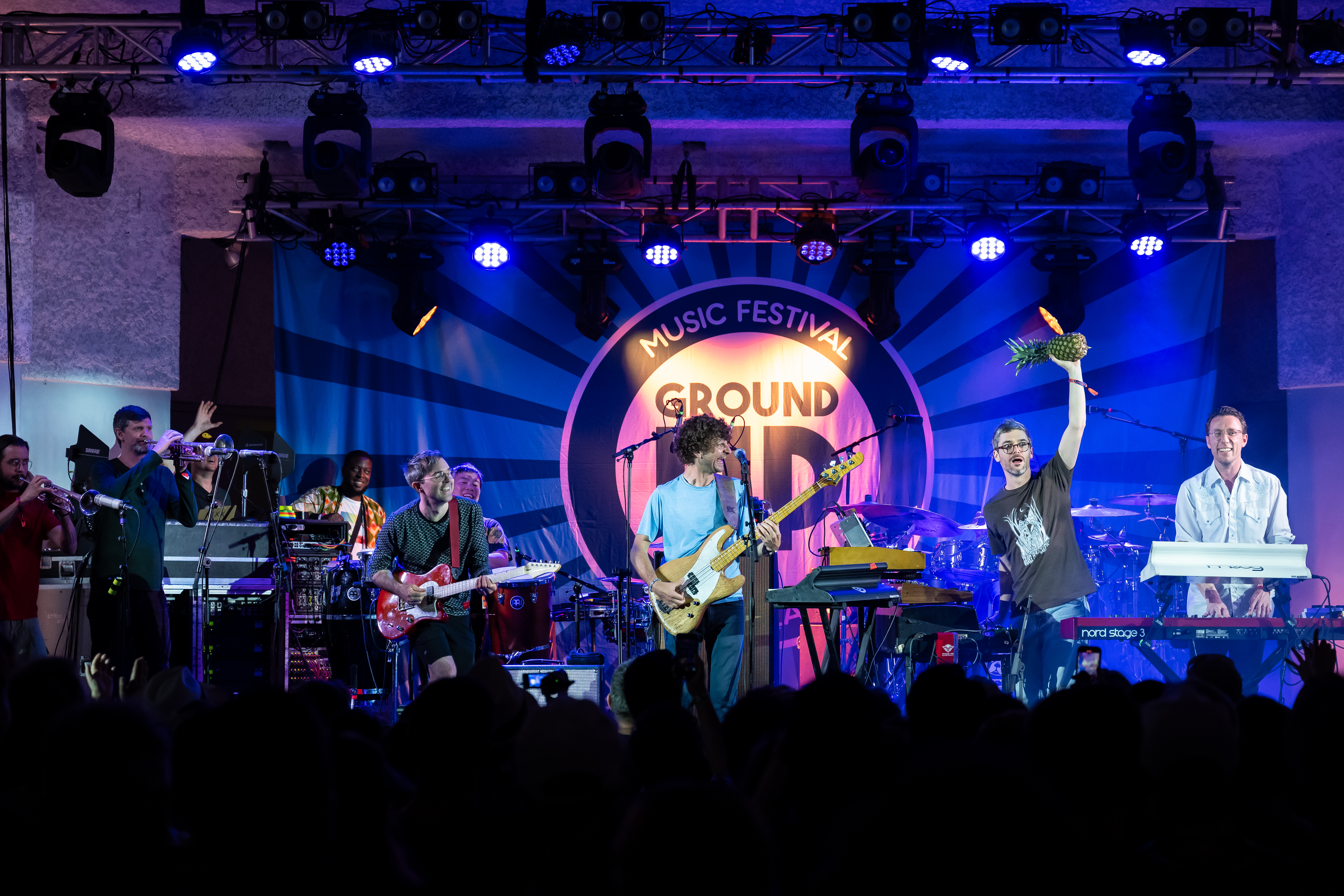
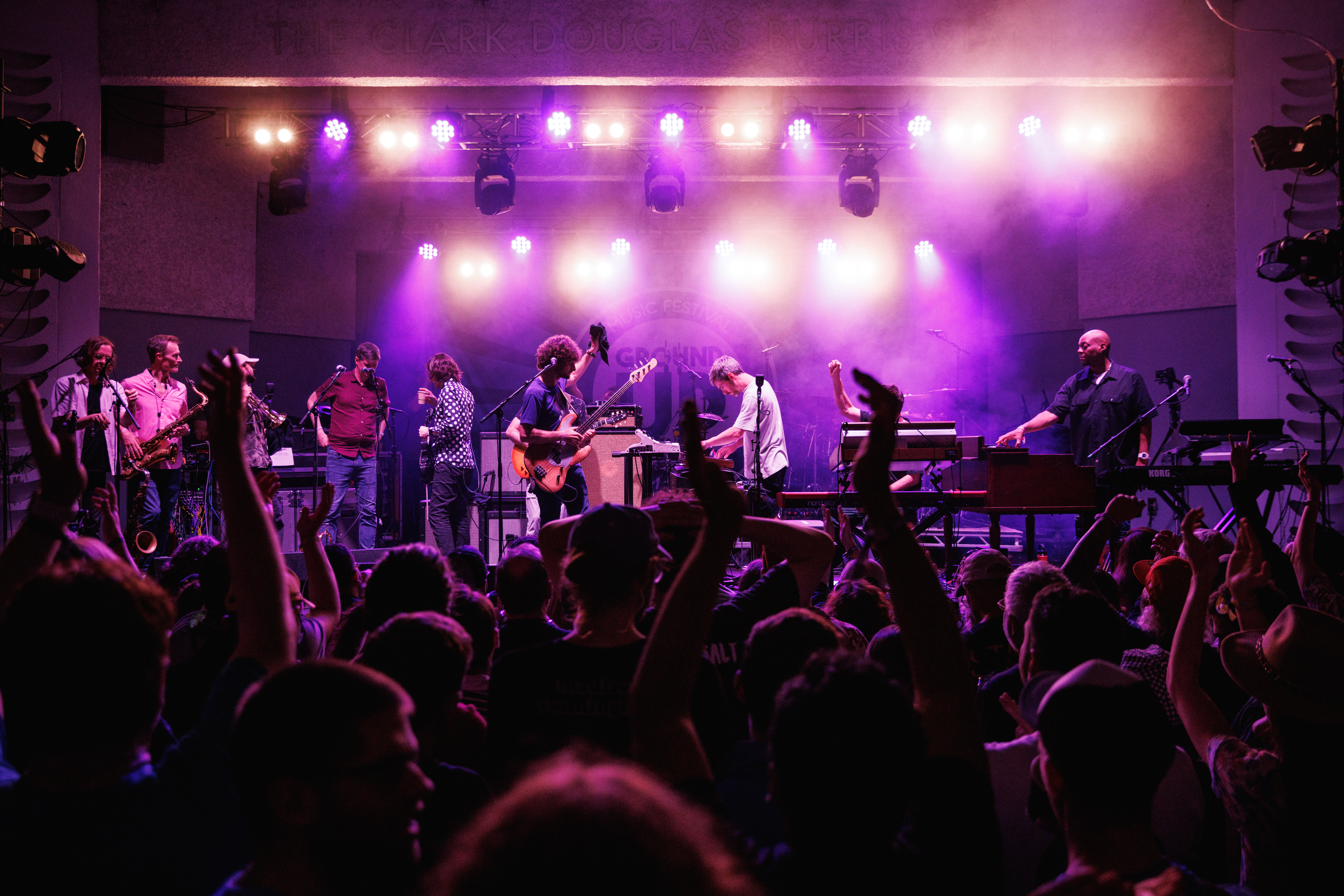
Michael League (center) leading a performance of Snarky Puppy at the Miami Beach Bandshell in Miami Beach, Florida, in 2024 Photo by Jason Koerner Courtesy of GroundUP Music Festival
Ten years is a lifetime in the music business. That alone would make the GroundUP Music Festival remarkable. How it got here makes it one of a kind.
“We’re trying to shine a light on great artists who aren’t already very, very well known,” says Michael League, leader of the enterprising 20-member jazz collective Snarky Puppy and co-founder of the event. The 10th anniversary of the festival begins Friday, March 13, at the Miami Beach Bandshell and continues through Sunday, March 15.
“We’ve definitely had some artists on the (GroundUP) label at the festival with slightly bigger names. But for me, the heart of the festival is the artists people haven’t heard of when they come, but then can’t stop talking about when they leave. Rather than a place to go to hear the people that you’re already a fan of, we try to make this festival a discovery point for people.”
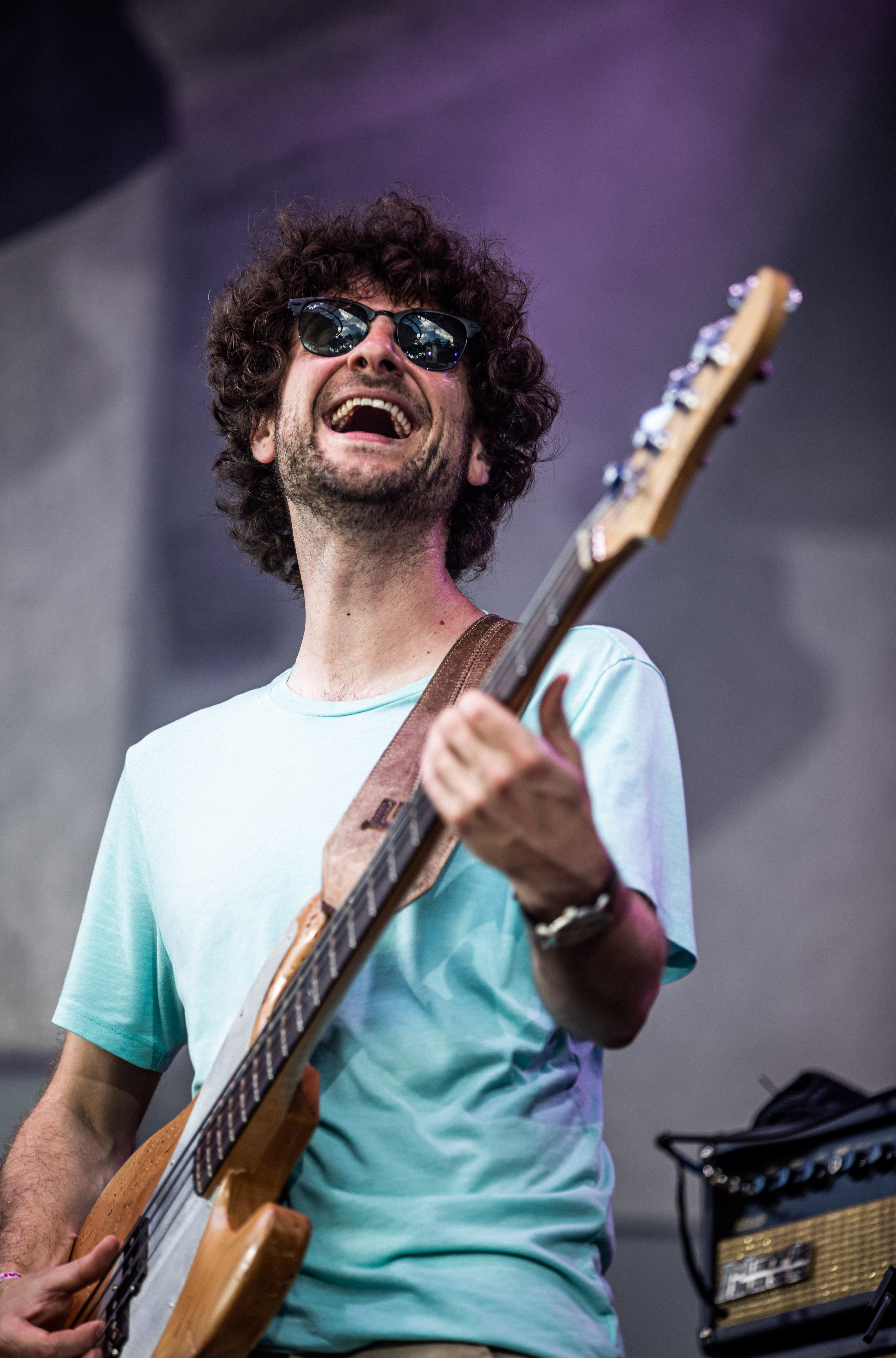
A five-time Grammy Award-winning multi-instrumentalist, producer, composer, arranger, and songwriter, League started the GroundUP Music label in 2012 as a home for Snarky Puppy. Five years later, he and Miami Beach native and resident Paul Lehr, founded the annual music festival and the nonprofit GroundUP Music Foundation. (Michael League photo courtesy of GroundUP Music Festival)
Headliners this year include League’s Snarky Puppy, which performs every night, including a full “Family Dinner” set in which the band accompanies featured performers.
Also featured in this year’s GroundUP Music Festival are multidisciplinary musician and filmmaker Flying Lotus (aka Steve Ellison); singer and songwriter Rickie Lee Jones; pianist, keyboardist, composer, and producer Patrice Rushen; singer, songwriter, and producer Bilal; guitarist Isaiah Sharkey; vocalist Arooj Aftab; guitarist Julian Lage; multi-instrumentalist and singer Alain Perez; and flutist and vocalist Varijashree Venugopal.
The festival takes place on the main Bandshell stage and in the surrounding park area. The program also includes workshops and encounters such as “Artist to Artist”: Patrice Rushen interviewed by Justin Stanton; “The Legacy of D’Angelo”: Isaiah Sharkey interviewed by Bilal; Rickie Lee Jones on “Creativity in Popular Song”; and “Mind Games: Mentality in Music Production” with League.
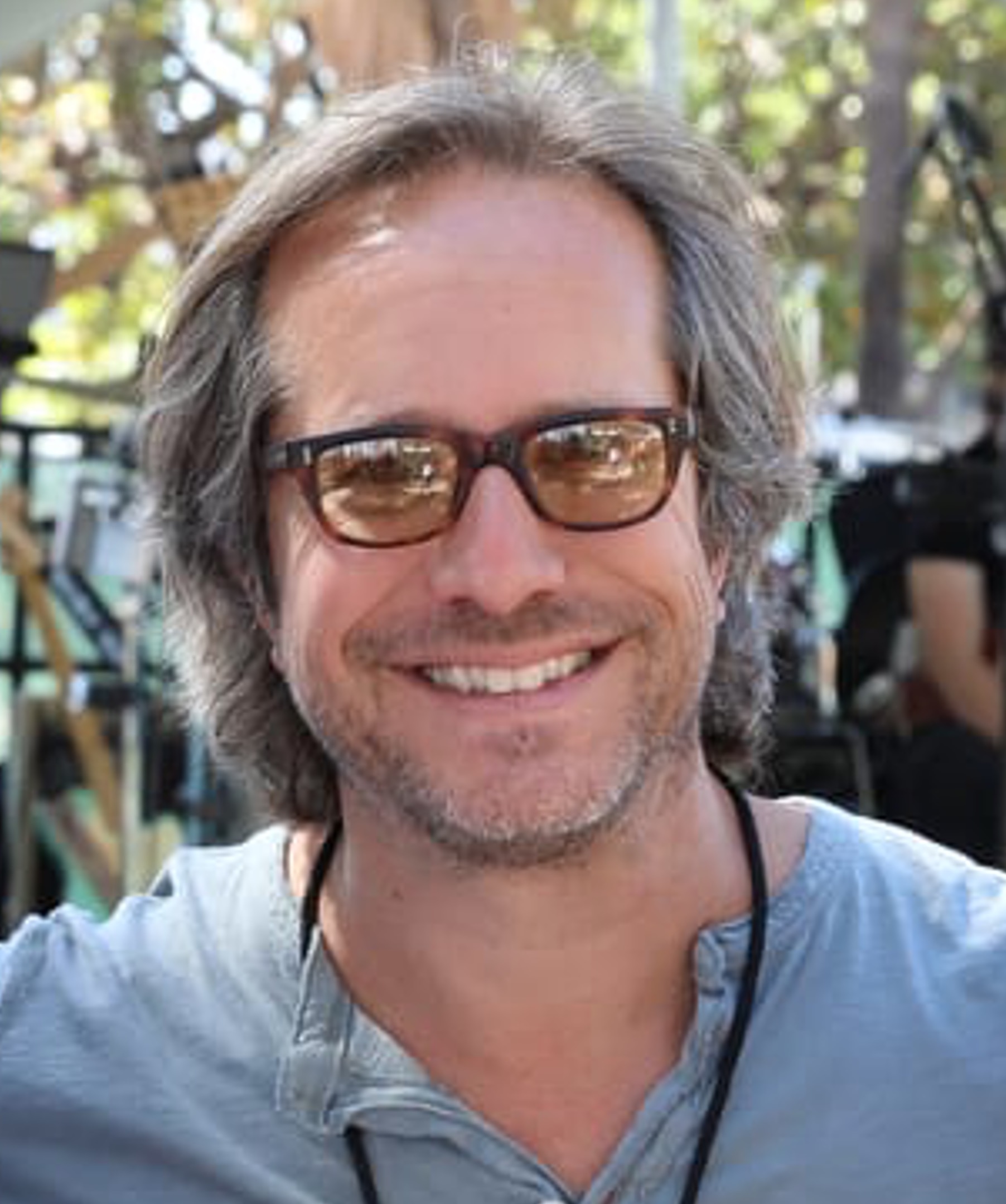
Paul Lehr, CEO of the GroundUP Music Foundation, recalls his time as CEO of YoungArts, the national arts competition in Miami.
“We ran similar programs. That was where I formed the idea of doing small workshops and master classes, keeping things intimate,” says Lehr. (Photo Courtesy of GroundUP Music Festival)
The standard format for large festivals is not one GroundUP tends to emulate. Accessibility to the artists is a plus, notes Lehr.
“Usually, at festivals, artists will come in, go to their trailer, go to the stage, play, go back to their trailer, and be gone. With us, the artist stays the entire weekend,” says Lehr. “That breaks down the barriers between the artists and the audience. You can go up and talk to Isaiah Sharkey or Bilal or Flying Lotus or whoever else because they’re sitting there watching the other shows—and that changes the experience.”
He credits League for the curation.
“He is one of the most phenomenal musicians on the planet, featuring some of the best artists most people have never heard of. So we have just a different approach from the artist selection standpoint.”
The tone of the event was set early on. Memories of the late David Crosby calmly wandering about, checking the performances while waiting to play his set, or watching Cuban singer and guitarist Eliades Ochoa, of Buena Vista Social Club fame, enjoying a quiet moment with his family and having ice cream, come to mind.
But the setting also encourages unplanned musical moments and spontaneous collaborations.
“A lot of collaborations between the artists have been born at GroundUp,” elaborates Lehr. “And then [these collaborations] take on new lives of their own. That’s part of the purpose of the festival and also one of reasons why the artists want to come, play and be a part of this.”
Rushen, a much decorated player composer and producer was intrigued by the ideas and will be appearing for the first time in South Florida with her septet. For her, such an approach “is actually more in keeping with what it was supposed to be: a community of people who share their interest in the music and have an opportunity to spend time in an environment where the focus is the music, whether you’re a player or you are a fan.”
Ten years ago, talk around the GroundUP Music Festival of creating a community around a shared platform—notions of a generous, globally reaching diversity and creative musical ideals—sounded commendably idealistic, but also likely to crash against the bottom line. Yet a decade later, GroundUP is alive and thriving.
Lehr and League are exploring taking their concept to other locations. Last summer, for the first time, GroundUP Music staged the festival outside Miami Beach, in Italy. A second edition is scheduled in Alberobello, Southern Italy, next June. “Our hope is to very, very slowly consider other places where it makes sense to do this. But,” adds Lehr, “my intention is to make sure that we also always keep it here.”
As musicians’ livelihoods face challenges ranging from the economics of streaming services to political changes and the threat of AI, developing and nurturing an alternative business model built on higher values, networking, and community might not be as unrealistic as it might have sounded once upon a time.
That said, the attacks against diversity, equity, and inclusion are not parlor discussions but have dire, practical consequences, especially for an event that, as Lehr notes,”over the past 10 years, almost 70% of our audience have come from 50 states and 55 countries.”
“We are about community and diversity, and our audience comes from all over the world. Many literally fly in for this,” he notes. “It’s a small, intimate event. But when you turn around, this person is from Spain, this person is South African, this one is from Australia, and this one came from Ohio. It’s a diverse community united by music and camaraderie. I’ve spoken with and heard from many of our Canadian attendees, and almost to a person, they told me they’re not coming to the festival because they don’t want to come into the country.”
The festival started like a fun proposition, reflects League. “The idea of just calling all of your musician friends and getting them together in the same place is a dream for anyone who plays music. Now, this was before COVID, before all of the political upheaval in the U.S., and before this kind of oligarchical takeover. It started as just a fun thing that we were all interested in doing.”
Now it’s different, he says.
“It feels a little more vital, especially as the music industry is crumbling in many respects. Live music is emerging as the one pillar, the last thing we’ll have if everything else goes. And so I think the festival sticking around is a statement.”
For a detailed schedule and tickets check https://www.groundupmusicfestival.com/dailyschedule
An edited version of this story was first posted at Artburst Miami